Can IBC Steel Pallets be used in a chemical plant? That’s a question I hear at least three times a week, mostly from plant managers, EHS (Environmental, Health, and Safety) leads, and warehouse supervisors who’ve grown frustrated with the limitations of plastic pallets or flimsy wooden options for their bulk chemical handling. I’m a supplier of industrial-grade IBC steel pallets, so I don’t answer this question just from a sales pitch angle—I answer it from nearly 12 years of walking chemical plant floors, testing pallets in real-world production environments, and helping customers avoid costly downtime, compliance fines, and safety incidents. Let’s break this down without the hype, because when it comes to chemical facilities, “will it work?” isn’t a yes/no answer—it’s a “how will it work for your specific chemical, your facility’s layout, and your regulatory requirements?” IBC Steel Pallet
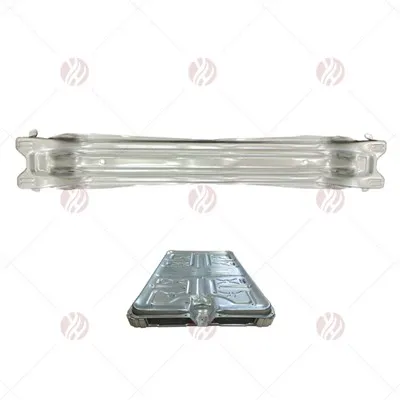
First, let’s get one non-negotiable fact out of the way: chemical plants have zero margin for error. The wrong pallet can corrode, crack, shed toxic debris, or fail a forklift lift mid-transport—all of which lead to spills, worker injuries, OSHA inspections, or environmental contamination. I’ve seen a polyethylene plastic pallet dissolve entirely in 14 days of contact with concentrated sodium hydroxide, leaving a 55-gallon drum hanging off a forklift arm in the middle of a loading dock. I’ve also seen wooden pallets absorb volatile organic compounds (VOCs) so thoroughly that even after a wash cycle, they released fumes that set off a plant’s air monitoring alarms. Those are avoidable disasters, and that’s where IBC steel pallets earn their reputation in chemical facilities—but only if you pick the right type, not just any off-the-shelf steel pallet.
Now, what makes IBC steel pallets different for chemical use, compared to regular industrial steel pallets? IBC (Intermediate Bulk Container) pallets are designed to cradle full IBC tanks—those 275-gallon or 330-gallon composite or steel containers that are workhorses of chemical storage and transport. Standard steel pallets are often plain carbon steel, which will rust if exposed to moisture or mild chemical splashes. Chemical-grade IBC steel pallets, though, undergo specific surface treatments that are engineered to resist corrosion from common chemicals in plants: sulfuric acid, hydrochloric acid, caustic solutions, VOCs, and even mild solvents like isopropyl alcohol. That’s not a marketing buzzword—we test every batch of our pallets in 240-hour salt spray and chemical immersion tests to make sure they hold up, and we provide that test data to every customer before they order, because a plant’s EHS team needs that documentation for audits.
But here’s the part most suppliers won’t tell you: not all chemical plants are the same, and not all IBC steel pallets are suitable for every chemical type. Let’s talk about the two most common use cases I see for our pallets in chemical facilities: containment for corrosive bulk liquids, and structural support for dry chemical powders. For corrosive liquids, like when a plant stores or transports full IBCs of liquid chlorine or concentrated phosphoric acid, our pallets are lined with food-grade (and more importantly, chemical-grade) high-density polyethylene (HDPE) or a fused epoxy coating that creates a barrier between the steel and the chemical. We once supplied 120 of these pallets to a specialty chemical manufacturer in Ohio that makes water treatment chemicals; they’d been using plastic pallets that cracked every six months, leading to IBCs tipping during loading. The steel pallets with the epoxy coating have been in use for four years now, with zero corrosion or structural issues, and they even work with their high-pressure washdown process, which they run every week to prevent cross-contamination between different chemical batches.
For dry chemical powders—think things like powdered activated carbon, fertilizer precursors, or pharmaceutical excipients—our IBC steel pallets offer a huge advantage over wood or plastic: they don’t shed particles. Plastic pallets can leach micro-plastics when exposed to static (a big risk in chemical plants, which often use explosion-proof equipment), and wooden pallets shed splinters that can contaminate powdered products, leading to product recalls. I had a customer last year in a tire manufacturing plant who was handling powdered rubber additives; he’d been using wooden pallets and had 18 pallets rejected in a single audit because of wood particulate contamination. Switching to our static-dissipative (SD) IBC steel pallets fixed that problem entirely, because the steel frame is powder-coated and sealed, and the cradle is lined with a food-safe HDPE that catches any dust, so it doesn’t escape or contaminate the IBC. That’s a win-win for product quality and worker safety, because static build-up on plastic pallets is a major ignition risk in plants handling flammable powders.
Now, let’s address the objections I hear most often from plant managers. First: “Steel pallets are heavier—will they work with my forklift capacity?” This is a valid concern, but it’s solvable. Our IBC steel pallets are engineered to be lightweight while maintaining structural integrity; a full pallet (cradle plus steel frame) weighs around 65 pounds, which is just 15 pounds more than a heavy-duty plastic pallet. That’s negligible for most forklifts, which are rated to lift 5,000 pounds or more—even a full IBC (275 gallons is about 2,200 pounds for water, and slightly more for chemicals) plus the pallet is well under the limit for standard forklifts. We also offer low-profile IBC steel pallets for facilities with narrow aisles or older forklifts with lower lift capacities, so there’s a solution for every plant.
Second objection: “What about corrosion from the specific chemicals we handle?” This is where customization comes in, and it’s something we don’t cut corners on. We have different surface treatments for different chemical categories: epoxy coatings for mild corrosives, hot-dip galvanizing for heavy-duty outdoor use (like chemical storage yards), and even stainless steel IBC pallets for facilities handling highly corrosive materials like concentrated nitric acid or hydrofluoric acid. I had a customer in a fertilizer plant that handles concentrated ammonium nitrate; they were having issues with standard steel pallets rusting through in 18 months because of the combination of ammonia and moisture. We supplied them with 80 304 stainless steel IBC pallets, and two years later, they haven’t had a single corrosion issue. The key here is that you don’t buy a one-size-fits-all pallet—you match the pallet’s coating to your chemical’s PH level, reactivity, and storage conditions.
Third objection: “Are steel pallets safe for my workers?” EHS is non-negotiable in chemical plants, and safety is why we design our pallets the way we do. Our IBC steel pallets have rounded edges, not sharp corners, so workers don’t get cut when moving or repairing them. They also have four-way entry for forklifts and hand pallet trucks, so there’s no risk of a pallet tipping when being lifted. Most importantly, for facilities handling flammable chemicals, all our chemical-grade IBC steel pallets can be fitted with static-dissipative grounding brackets, which eliminate static build-up that can spark and ignite flammable vapors. We had a customer in a paint manufacturing plant that handles flammable solvent-based IBCs; they were using plastic pallets that would build up static during transport, leading to two near-misses last year. Switching to our static-dissipative steel pallets fixed that risk entirely, and they passed their OSHA audit with no issues.
But wait—there’s a caveat here, because I don’t want to oversell this. IBC steel pallets won’t work for every chemical plant. If your facility only handles non-bulk, small-volume chemical drums, a steel pallet might be overkill. If you’re handling very low-risk, mild chemicals that don’t corrode plastic or wood, a plastic pallet might be cheaper upfront. But for facilities that handle bulk chemical IBCs, face regulatory scrutiny for EHS or product quality, or deal with corrosive or flammable materials, IBC steel pallets are often the most cost-effective long-term solution. Let’s do the math: a standard heavy-duty plastic IBC pallet costs around $350, and needs to be replaced every 12 to 18 months in a high-use chemical facility. Our chemical-grade IBC steel pallets cost around $850, but they have a 10-year lifespan, require only occasional touch-up coating if damaged, and eliminate the downtime and costs of spills, product contamination, or pallet failure. Over 10 years, that’s a $2,000 savings per pallet, plus the costs avoided from OSHA fines or product recalls.
I’ve also seen a lot of misinformation online that says steel pallets will scratch IBC tanks, leading to leaks. That’s only true if you buy a cheap, unlined steel pallet. Our IBC steel pallets have a custom-fitted HDPE cradle that cushions the bottom and sides of the IBC, so the steel never comes into direct contact with the tank. We also add rubber corner guards for facilities that move IBCs through tight spaces, so there’s no risk of scratching the IBC’s composite layer. I once had a customer who refused to switch to steel pallets because of that exact concern, and after six months of dealing with IBC leaks from plastic pallet scratches, they reached out to us. We fixed that problem by adding the HDPE cradle and rubber guards, and their leak rate dropped to zero.
Another thing to consider: regulatory compliance. Most chemical plants are subject to OSHA’s Process Safety Management (PSM) standard, which requires that equipment used to transport hazardous materials be safe and reliable. EPA’s Spill Prevention, Control, and Countermeasure (SPCC) rule also requires that facilities have systems in place to prevent spills from reaching the environment. Our chemical-grade IBC steel pallets are designed to meet both PSM and SPCC requirements, and we provide full documentation for every pallet, including material safety data sheets (MSDS) for the coatings, corrosion test results, and load capacity certifications. That documentation is non-negotiable for audits, and I’ve had customers tell us that having our test data helped them pass an OSHA audit where another facility nearby was fined $12,000 for using unapproved plastic pallets for hazardous chemical storage.
Now, let’s talk about practical use cases to make this concrete. Last year, we supplied 200 IBC steel pallets to a biotech manufacturing plant that stores and transports chemical reagents for drug development. The plant was dealing with two big problems: cross-contamination between different reagent batches, and static build-up that risked igniting flammable solvents. The steel pallets’ sealed, non-porous surface meant they could be fully sanitized between batches without absorbing any residual chemicals, so cross-contamination was eliminated. We fitted them with static-dissipative brackets, and within three months, their near-miss rate related to static dropped to zero. The plant’s EHS manager told us that the only downside was that they had to update their forklift training to make sure workers didn’t overload the pallets—but once that was done, everything ran smoothly.
Another customer: a municipal water treatment plant that uses bulk IBCs of aluminum sulfate and polyaluminum chloride. They were using wooden pallets that would rot after a year of exposure to moisture, leading to IBCs tipping during transport. Switching to our galvanized IBC steel pallets fixed the rot issue, and the plant has used the same pallets for three years now, with zero structural damage. They also save $1,200 a year per pallet on replacement costs, which adds up quickly for their 80-pallet fleet.
So, going back to the original question: Can IBC steel pallets be used in a chemical plant? The short answer is yes—if you select the right type for your specific chemicals, storage conditions, and regulatory requirements. The longer answer is that when used correctly, they’re often a safer, more reliable, and more cost-effective option than plastic or wooden pallets for bulk chemical handling. I’ve seen too many chemical facilities suffer because they went with the cheapest pallet upfront, only to pay for it in downtime, fines, or safety incidents. That’s why we don’t just sell pallets—we work with each customer to assess their needs, recommend the right coating and features, and provide ongoing support if they have issues.

If you’re a chemical plant manager, EHS lead, or warehouse supervisor who’s tired of dealing with pallet failures, corrosion, or compliance headaches, I’d encourage you to reach out to talk through your specific use case. We can send you free test data samples, help you calculate the long-term cost savings of switching to steel pallets, and even arrange a demonstration at your facility so you can see how the pallets work with your existing forklifts and IBCs. At the end of the day, chemical plant operations shouldn’t be a guessing game—and the right pallet can make a huge difference in safety, efficiency, and compliance.
References
IBC Steel Frame OSHA. Process Safety Management of Highly Hazardous Chemicals. 29 CFR 1910.119.
U.S. Environmental Protection Agency. Spill Prevention, Control, and Countermeasure (SPCC) Rule. 40 CFR Part 112.
National Institute for Occupational Safety and Health (NIOSH). Static Control Guidelines for Bulk Chemical Storage and Handling. NIOSH Publication No. 2001-123.
American Society of Mechanical Engineers (ASME). Standard for Steel Pallets for Industrial Use. ASME B56.1-2020.
Chemical Safety Board. 2021 Update: Bulk Chemical Handling Incident Trends. U.S. Chemical Safety and Hazard Investigation Board.
Zhenjiang Yuanhai Packaging Co., Ltd.
We’re well-known as one of the leading IBC steel pallet manufacturers and suppliers in China, featured by quality products and good price. Please rest assured to buy high-grade IBC steel pallet for sale here from our factory. We also accept customized orders.
Address: No. 9, Danwu Road, Dantu District, Zhenjiang City
E-mail: chin_john@msn.com
WebSite: https://www.yhibc.com/
