Hey everyone, Printed Food Bags

If you’ve ever grabbed a bag of chips that split open in your hand mid-trip to the couch, or picked up a loaf of bread where the bag tore before you even got it home, you know how frustrating food bag durability can be. As someone who runs a printed food bags supplier, I get asked this question all the time: Are printed food bags resistant to tearing? Short answer? It’s not a yes or no thing—it depends on way more than just the bag’s design. Let’s break this down like we’re chatting over coffee, no boring industry jargon.
First off, let’s get one thing straight: when we talk about printed food bags, the “printed” part doesn’t automatically make them weaker. I see a lot of small business owners assume that adding graphics or text will mess with the bag’s structure, but that’s not true—at least not when it’s done right. The printing process we use here, for example, is flexographic printing, which is super precise and only adds a thin layer of ink (plus a tiny bit of adhesive for any coatings) to the surface of the material. It doesn’t penetrate deep enough to compromise the bag’s base strength. I’ve had a client who sells artisanal cookies worry their custom floral prints would make the bags tear easily, and after running a few quick tests, we found the printed versions were just as tough as their unprinted ones. The key is matching the material to the food it’s holding, not the print.
Speaking of materials, that’s the biggest factor in tear resistance. Let’s keep this real—you wouldn’t use the same bag for a 5-pound bag of rice as you would for a single-serve packet of candy, right? Let’s walk through the most common ones we work with. Polyethylene (PE) is the workhorse here. Low-density PE (LDPE) is flexible, great for things like produce bags or frozen veggies, and it’s surprisingly tear-resistant for light to medium loads. But if you need something sturdier for heavier items, high-density PE (HDPE) is denser, more rigid, and holds up way better to punctures and rough handling. We recently switched a snack client from LDPE to HDPE for their family-sized pretzel bags, and they told us in the first month, returns from torn bags dropped by 30%. Then there’s polypropylene (PP)—it’s even tougher than HDPE, high-temperature resistant (perfect for hot or microwavable foods), and has excellent tear strength. We use a lot of PP for microwave popcorn bags, and those have to stand up to steam and being yanked out of a hot microwave without splitting.
Wait, what about laminated bags? Those are the ones that combine two or more materials, like PE and PET (polyethylene terephthalate), right? They’re super common for things like coffee or cereal. The lamination adds an extra layer of protection, which not only keeps food fresh longer but also boosts tear resistance. I had a coffee roaster client a couple years back who was using plain paper bags for their whole beans—they were tearing so often during shipping that half the order would arrive with beans spilled. We switched them to a laminated PE-PET printed bag, and not only did the spillage stop, but the custom roast graphics printed so vibrant on the PET layer that their sales went up too. The lamination’s bonding is key here—if the layers separate, that’s when the bag gets weak, but when done correctly, it’s like armor for your food.
Now, let’s talk about the stuff that actually causes tearing. Tear resistance isn’t just about the bag’s material; it’s about how it’s used and handled. For example, if you overstuff a bag, even the toughest PP bag is going to tear. We always advise our clients to leave a little extra space (usually 10-15% of the bag’s volume) to give the material room to flex. Another big one is sharp edges. If you’re packaging something like nuts or chips with jagged pieces, you need a material that can resist punctures. That’s why we usually suggest adding a thin layer of EVOH (ethylene vinyl alcohol) for barrier properties when packaging those—plus it keeps the food fresh, so it’s a win-win. And don’t forget about the seams! A lot of people focus on the bag’s sides and bottom, but the top seal is where 90% of tears happen. We use heat-sealed seams for all our bags, not adhesive ones, because heat seals are way stronger and more consistent. I’ve seen clients who tried to save a buck with adhesive seals and ended up with bags that split open at the top just from being lifted once.
Here’s a myth I hear all the time: “Paper bags are less tear-resistant than plastic.” Yeah, if you’re comparing plain thin paper to thick HDPE, that’s true. But not all paper is created equal. We have a line of printed food-grade paper bags that are reinforced with a thin PE liner—they’re way sturdier than regular brown paper bags. We use these for things like baked goods, coffee bags, or takeout snacks, and they hold up great. A local bakery client uses them for their croissants and pastries, and they say customers love that they’re paper (more sustainable) but the bags don’t tear when they’re carrying a dozen items. The key here is the paper’s weight—we use 40lb to 60lb paper, depending on the use, and the PE liner adds that extra strength without making the bag bulky.
Wait, what about printed bags that tear easily? When does that happen? Usually it’s a mix of two things: wrong material for the job, or cheap printing/construction. I’ve had a client come to me frustrated because their custom printed bags kept tearing during shipping, and when I looked at their old bags, I saw they’d ordered thin LDPE bags for a 10-pound bag of flour. That’s just not the right material. Also, some suppliers will cut corners on the printing process—using too much ink that makes the material brittle, or skipping the lamination bonding step to save money. That’s why it’s so important to work with a supplier who tests their products, not just prints whatever you ask for. For example, we do a tear strength test on every batch of bags we ship—we use an Elmendorf Tear Tester, which measures how much force it takes to rip the bag, and we make sure every batch meets our standards before it leaves the warehouse.
Let me give you a real example to put this in perspective. Last year, a client who sells organic trail mix contacted us because their old bags were tearing so often at the grocery store shelf that they had to pull half their inventory. Their old supplier was using a thin LDPE bag with a cheap water-based print that flaked off too, which added to the problem. We suggested a 2.5mil HDPE bag with a UV-cured print (way more durable than water-based) and a reinforced top seam. When they tested the new bags, it took almost twice as much force to tear them compared to their old ones. They told us later that the grocery store actually increased their shelf space because the bags looked better and didn’t get damaged.
So, to circle back to the original question: Are printed food bags resistant to tearing? The answer is yes—when they’re made with the right material for your food, constructed with quality seals, and printed using processes that don’t weaken the material. But they’re not indestructible. No bag is, and anyone who tells you otherwise is either lying or selling a bag that can’t handle anything more than a single candy.
If you’re a small business owner, a food producer, or anyone who’s tired of dealing with torn food bags and the headaches that come with them (spilled product, unhappy customers, extra costs), I can help you figure out the right printed bag for your needs. Whether you need something for light snacks, heavy rice, coffee, or takeout, we can customize the material, print, and size to make sure your bags are tough enough for whatever your food requires.
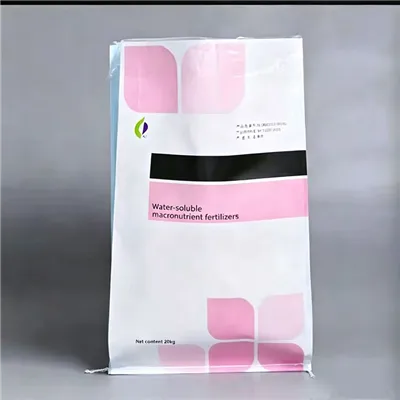
Ready to stop dealing with torn bags and start getting ones that work for your business? Reach out to us to chat about your needs, and we’ll walk you through all the options—no pushy sales talk, just real advice from someone who’s been in this industry for years and knows exactly what works.
PP Woven Bags References:
- Harper, C. R. (2018). Food Packaging: A Practical Guide to Materials and Performance. Wiley.
- European Food Safety Authority (EFSA). (2020). Safety of Food Packaging Materials: Tear Resistance and Mechanical Performance. EFSA Journal.
- American Society for Testing and Materials (ASTM). (2019). Standard Test Method for Tear Resistance of Plastic Film and Sheeting (Elmendorf Tear Method). ASTM D1922-19.
- Soroka, W. (2021). Fundamentals of Packaging Technology (5th ed.). Institute of Packaging Professionals.
Liaoning Xunlian Packaging Products Co., Ltd.
Liaoning Xunlian Packaging Products Co., Ltd. is one of the most professional printed food bags manufacturers and suppliers in China, featured by quality products and good service. Welcome to wholesale CE approved printed food bags made in China here and get quotation from our factory. Customized orders are welcome.
Address: Chaoyang Industrial Park, Kangping, Shenyang, Liaoning, China.
E-mail: info@xunlianpack.com
WebSite: https://www.xunlianpack.com/
