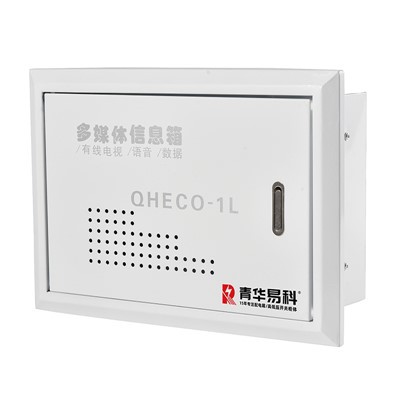
In the dynamic landscape of modern multimedia, the Multimedia Information Box stands as a pivotal device, bridging the gap between various content sources and end – user displays. As a leading supplier of Multimedia Information Boxes, I am often asked about the Wi – Fi standards these boxes support. Understanding the Wi – Fi capabilities of these boxes is crucial for both consumers and businesses, as it directly impacts the quality of multimedia streaming, data transfer speeds, and overall user experience. Multimedia Information Box
An Overview of Wi – Fi Standards
Wi – Fi technology has evolved significantly over the years, with each new standard bringing improvements in speed, range, and reliability. The first widely adopted Wi – Fi standard was 802.11b, introduced in 1999. It offered a maximum data rate of 11 Mbps and operated in the 2.4 GHz frequency band. While it was revolutionary at the time, it quickly became outdated as the demand for higher – speed internet grew.
The 802.11a standard, also introduced in 1999, operated in the 5 GHz frequency band and provided a maximum data rate of 54 Mbps. However, its range was limited compared to 802.11b, which restricted its widespread adoption. In 2003, the 802.11g standard was released, combining the best of both worlds. It operated in the 2.4 GHz band like 802.11b but offered a maximum data rate of 54 Mbps, similar to 802.11a. This made it a popular choice for many home and small – business networks.
The next significant leap came with the 802.11n standard in 2009. It introduced the concept of Multiple – Input Multiple – Output (MIMO) technology, which used multiple antennas to transmit and receive data simultaneously. This allowed for data rates of up to 600 Mbps and improved range and signal quality. The 802.11n standard could operate in both the 2.4 GHz and 5 GHz bands, providing more flexibility for users.
In 2013, the 802.11ac standard was introduced. Known as "Wi – Fi 5," it was designed for high – performance wireless networks. It operated exclusively in the 5 GHz band and offered theoretical maximum data rates of up to 6.93 Gbps. Wi – Fi 5 also supported wider channel widths, improved MIMO technology, and beamforming, which directed the Wi – Fi signal towards specific devices for better performance.
The most recent standard is 802.11ax, or "Wi – Fi 6." Released in 2019, Wi – Fi 6 addresses the growing need for high – speed connections in crowded environments. It uses orthogonal frequency – division multiple access (OFDMA) to allow multiple devices to share the same channel more efficiently. Wi – Fi 6 also features target wake time (TWT), which reduces power consumption for connected devices. It operates in both the 2.4 GHz and 5 GHz bands and offers theoretical maximum data rates of up to 9.6 Gbps.
Wi – Fi Standards Supported by Our Multimedia Information Boxes
Our Multimedia Information Boxes are designed to meet the diverse needs of our customers, and as such, they support a wide range of Wi – Fi standards.
- 802.11ac (Wi – Fi 5): Most of our standard – range Multimedia Information Boxes support the 802.11ac standard. This is an excellent choice for users who require high – speed multimedia streaming, such as 4K video. With the ability to achieve high data rates and handle multiple devices simultaneously, Wi – Fi 5 ensures a smooth and seamless viewing experience. Whether you are streaming a live sports event, a high – definition movie, or participating in a video conference, the 802.11ac standard provides the necessary bandwidth.
- 802.11ax (Wi – Fi 6): Our premium – range Multimedia Information Boxes come equipped with 802.11ax support. In today’s connected world, where multiple devices are used simultaneously in a single household or office, Wi – Fi 6 offers significant advantages. It can handle a larger number of connected devices without sacrificing performance, making it ideal for smart homes and businesses with high device density. For example, in a smart home environment, you may have multiple smart TVs, smartphones, tablets, smart speakers, and IoT devices all connected to the Wi – Fi network. Wi – Fi 6 ensures that each device can operate at its best, without experiencing slowdowns or connectivity issues.
Benefits of Multi – Standard Support
The ability of our Multimedia Information Boxes to support multiple Wi – Fi standards provides several benefits to our customers.
- Compatibility: By supporting multiple standards, our boxes can connect to a wide range of Wi – Fi routers and access points. This means that customers do not have to upgrade their existing Wi – Fi infrastructure immediately. Whether they have an older 802.11n router or a modern Wi – Fi 6 router, our Multimedia Information Boxes can establish a connection and provide a reliable multimedia experience.
- Future – Proofing: As Wi – Fi technology continues to evolve, having a device that can support multiple standards ensures that it remains relevant in the long term. Customers can take advantage of new Wi – Fi features and improvements as they become available, without having to replace their Multimedia Information Boxes. For example, as Wi – Fi 6E (an extension of Wi – Fi 6 that operates in the 6 GHz band) becomes more widespread, our boxes with Wi – Fi 6 support can potentially be upgraded to support this new standard through a firmware update.
- Flexibility: Different Wi – Fi standards have different strengths and weaknesses. By supporting multiple standards, our boxes can adapt to different environments and user requirements. For instance, in areas with a lot of interference in the 2.4 GHz band, the box can switch to the 5 GHz band supported by 802.11ac or Wi – Fi 6 for a more stable connection.
Performance Considerations
While our Multimedia Information Boxes support these Wi – Fi standards, it’s important to note that the actual performance can be affected by several factors.
- Distance from the Router: The farther the Multimedia Information Box is from the Wi – Fi router, the weaker the signal strength will be. This can result in slower data transfer speeds and a less reliable connection. To mitigate this, we recommend placing the box as close to the router as possible, or using Wi – Fi range extenders if necessary.
- Interference: Other electronic devices operating in the same frequency band can cause interference with the Wi – Fi signal. For example, microwave ovens, cordless phones, and some Bluetooth devices operate in the 2.4 GHz band. In areas with a lot of interference, using the 5 GHz band supported by 802.11ac or Wi – Fi 6 can provide a more stable connection.
- Router Capacity: The performance of the Wi – Fi connection also depends on the capabilities of the router. A low – end router may not be able to take full advantage of the Wi – Fi capabilities of our Multimedia Information Boxes. It is advisable to use a high – quality router that supports the same Wi – Fi standards as the box for optimal performance.
Conclusion
As a supplier of Multimedia Information Boxes, we are committed to providing our customers with devices that offer the best possible multimedia experience. The support for multiple Wi – Fi standards, including 802.11ac and 802.11ax, ensures that our boxes are compatible with a wide range of Wi – Fi networks, future – proof, and flexible. Whether you are a home user looking for a reliable way to stream your favorite content or a business owner in need of a high – performance multimedia solution, our Multimedia Information Boxes are designed to meet your needs.
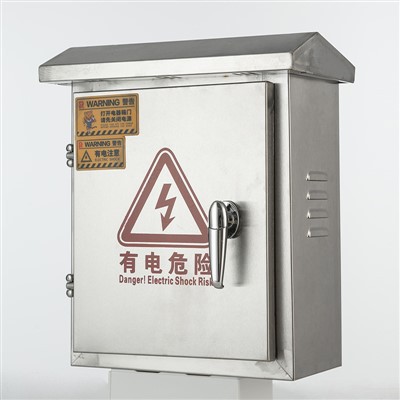
Plastic Waterproof Box If you are interested in learning more about our Multimedia Information Boxes and their Wi – Fi capabilities, or if you are considering a purchase for your home or business, we encourage you to contact us for a detailed discussion. Our team of experts is ready to assist you in finding the right solution for your specific requirements.
References
- IEEE Standards Association. (2023). IEEE 802.11 Standards.
- Cisco. (2023). Wi – Fi 6 and Wi – Fi 6E: A Technical Overview.
- Qualcomm. (2023). Understanding Wi – Fi Standards and Their Benefits.
Shandong Qinghua Yike Electric Co., Ltd.
As one of the most experienced multimedia information box manufacturers in China, we also support customized service. We warmly welcome you to buy durable multimedia information box for sale here from our factory. If you have any enquiry about cooperation, please feel free to email us.
Address: No. 378 Taozhuang Village, Zaoyuan Town, Lanshan District, Linyi City, Shandong Province
E-mail: admin@sd-qhyk.com
WebSite: https://www.qhecobox.com/
