Yo, what’s up, folks! I’m a supplier of Rectangular Insulated Aluminum Stranded Cable, and I’ve been getting a lot of questions lately about how to improve the ozone resistance of these cables. So, I thought I’d share some of my insights and experiences on this topic. Rectangular Insulated Aluminum Stranded Cable
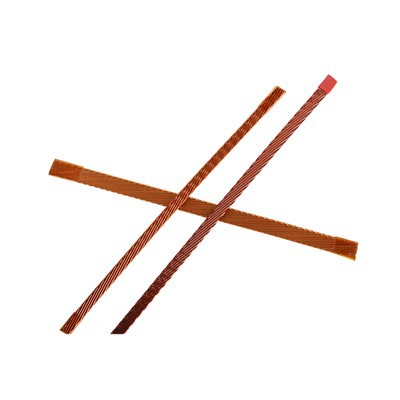
First off, let’s talk about why ozone resistance is such a big deal. Ozone is a powerful oxidizing agent that can cause serious damage to cable insulation over time. When ozone comes into contact with the insulation material, it breaks down the chemical bonds, which can lead to cracks, brittleness, and ultimately, failure of the cable. This is especially important in applications where the cables are exposed to high levels of ozone, such as in industrial environments or near electrical equipment that produces ozone.
So, how can we improve the ozone resistance of Rectangular Insulated Aluminum Stranded Cable? Well, there are a few key things that we can do.
Choose the Right Insulation Material
The first and most important step is to choose the right insulation material. Some materials are naturally more resistant to ozone than others. For example, EPDM (Ethylene Propylene Diene Monomer) rubber is a popular choice for cable insulation because it has excellent ozone resistance. It can withstand long-term exposure to ozone without significant degradation.
Silicone rubber is another good option. It has great flexibility, high temperature resistance, and also offers good ozone resistance. These materials are designed to resist the chemical reactions that ozone can trigger, so they’re a great starting point for improving the ozone resistance of your cables.
Add Ozone Inhibitors
In addition to choosing the right insulation material, we can also add ozone inhibitors to the insulation compound. These inhibitors work by reacting with the ozone before it can react with the insulation material. They act as a sort of sacrificial layer, protecting the main insulation from ozone damage.
There are different types of ozone inhibitors available, and the choice depends on the specific requirements of the cable. Some common ones include para – phenylenediamine derivatives. These inhibitors can be mixed into the insulation during the manufacturing process, and they can significantly enhance the cable’s ozone resistance.
Use a Protective Jacket
Another effective way is to use a protective jacket over the insulation. The jacket can act as a physical barrier between the ozone and the insulation. It can prevent the ozone from coming into direct contact with the insulation material, reducing the risk of damage.
The protective jacket can be made of materials that are highly resistant to ozone, such as PVC (Polyvinyl Chloride) or polyethylene. When selecting a jacket material, we need to consider not only its ozone resistance but also other factors like mechanical strength and flexibility.
Consider Cable Design
The design of the cable can also play a role in improving ozone resistance. For example, minimizing the amount of exposed insulation can reduce the surface area that is exposed to ozone. We can do this by using a tighter lay of the aluminum strands, which can help to protect the insulation from the surrounding environment.
Also, proper strain relief in the cable design can prevent excessive stress on the insulation. When the insulation is under stress, it becomes more vulnerable to ozone damage. By ensuring that the cable can expand and contract without putting too much pressure on the insulation, we can increase its resistance to ozone.
Quality Manufacturing Process
A high – quality manufacturing process is crucial for improving ozone resistance. During the manufacturing of the cable, we need to ensure that the insulation material is properly applied and cured. Any defects or inconsistencies in the insulation can create weak points where ozone can penetrate more easily.
We also need to pay attention to the cleanliness of the manufacturing environment. Dust and other contaminants in the air can interfere with the chemical properties of the insulation material and reduce its ozone resistance. So, a clean and controlled manufacturing environment can go a long way in producing cables with better ozone resistance.
Regular Inspection and Maintenance
Even if we’ve taken all the steps to improve the ozone resistance of the cables, regular inspection and maintenance are still necessary. Over time, the cable’s ozone resistance may degrade due to various factors such as environmental conditions and mechanical stress.
Inspecting the cables regularly allows us to detect any signs of ozone damage early on. We can look for cracks, discoloration, or other visible signs of degradation. If any issues are found, we can take prompt action, such as replacing the damaged parts or applying additional protective coatings.
Testing and Verification
Before releasing the cables to the market, it’s essential to conduct thorough testing to verify their ozone resistance. We can use standardized ozone chamber tests, where the cables are exposed to a controlled environment with a specific concentration of ozone for a certain period of time.
By measuring the physical and electrical properties of the cables before and after the test, we can assess their ozone resistance. If the cables meet the required standards, we can be confident in their ability to perform well in ozone – rich environments.
In conclusion, improving the ozone resistance of Rectangular Insulated Aluminum Stranded Cable is a multi – faceted process. It involves choosing the right materials, adding inhibitors, using protective jackets, having a proper design, ensuring a high – quality manufacturing process, regular inspection, and thorough testing.
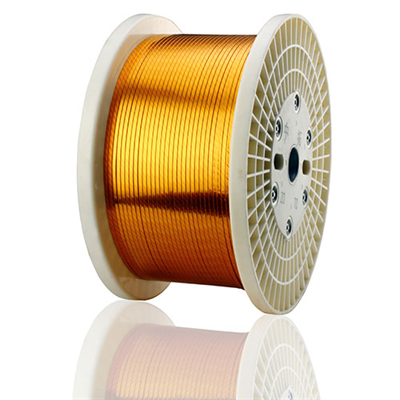
If you’re in the market for Rectangular Insulated Aluminum Stranded Cable with excellent ozone resistance, you’ve come to the right place. We’ve got the expertise and the technology to produce cables that can withstand the toughest ozone – rich environments. Whether it’s for industrial applications or other projects, our cables are designed to last.
Enameled Round Wire So, if you’re interested in learning more or want to discuss your specific cable requirements, don’t hesitate to reach out. We’re here to help you find the best cable solution for your needs. Let’s have a chat and see how we can work together to get the job done right.
References
- "Handbook of Cable Technology"
- "Polymer Materials for Electrical Insulation"
- Industry standards on cable ozone resistance testing
Tianjin Jingwei Power Technology Co., Ltd.
As one of the most professional rectangular insulated aluminum stranded cable manufacturers and suppliers in China, we’re featured by quality products and good service. Please rest assured to buy durable rectangular insulated aluminum stranded cable made in China here from our factory. Contact us for more details.
Address: No.1 Chuangxin Rd. Xiaozhan Industrial Park, Jinnan District, Tianjin, China
E-mail: info@jwdc.cn
WebSite: https://www.jw-dcs.com/
