Hey there, thanks for swinging by our little corner of the sponge world—yeah, that’s us, the foam sponge crew you might’ve worked with before, or just found hunting for the right pick for your next big project. Today we’re breaking down a question we get at least a dozen times a week: how does foam sponge stack up against rubber sponge? Spoiler alert: it’s not a “one’s better than the other” thing—more like, it all depends on what you’re actually using it for. Let’s cut the tech jargon, keep this real, and skip the boring textbook stuff. Foam Sponge
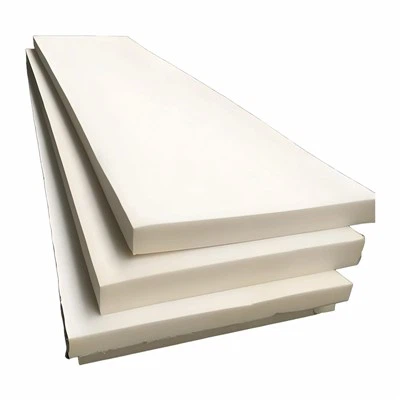
First off, let’s get the basics out of the way, no fancy degrees needed. Both are porous sponges, right? But they’re made totally different, and that’s where everything changes. Foam sponge’s basically a polymer mix (usually polyurethane, sometimes polyester) that’s blown up with air bubbles during manufacturing. Think of it like whipping cream—you mix the liquid, add air, and it sets into a soft, bouncy solid full of tiny holes. Rubber sponge? That’s real rubber (natural or synthetic, like neoprene) processed to have pores, usually by molding it or mixing in chemical agents that burn out to leave gaps. I’ve stood next to our production lines for both, so I’ve seen this first hand—no two processes are even close.
Let’s start with the pros of foam sponge, because that’s our bread and butter, and let’s be honest, it’s why most people reach for it first. First up, it’s soft as hell—like, the kind of soft that’s gentle on dishes, your face, even the inside of a couch cushion we make for a furniture client last quarter. Those tiny, uniform pores mean it absorbs liquid like a champ, way faster than rubber for most household uses. I remember last year a restaurant client switched from rubber to our foam sponge for their dish line—they told us they cut their scrub time per load by 30%, because one foam sponge held more so they didn’t have to re-dip every two seconds. It’s also way lightweight, which matters if you’re wrapping a truck full of sponges for a big retail order—saves on shipping costs, which everyone cares about. Plus, foam sponge’s super customizable: we can tweak the density, pore size, even the firmness for whatever you need. Need a soft, squishy sponge for baby bath time? We can do that. Need a dense foam for painting or craft projects? No problem. That flexibility’s a big one.
Wait, but let’s not pretend foam’s perfect—because it’s not. It’s way less durable when it comes to heavy scrubbing, like stripping paint or cleaning greasy, caked-on grime. Those tiny bubbles in foam break down fast when you’re rubbing hard against rough surfaces—drop a foam sponge on concrete once, and it’ll start fraying way before a rubber one would. Also, it doesn’t do great with high heat—leave a foam sponge on a hot stove burner, and it’ll melt, no joke. We’ve had clients call us panicking because they left a dish sponge on their oven rack, and it turned into a goopy blob. Oops. Another con: some cheaper foam sponges (not ours, fwiw) hold onto odors way more than rubber. If you leave a food-stained foam sponge in a damp sink too long, that sour smell sets in, whereas rubber’s more resistant to that. That’s why we always recommend rinsing your foam sponge out and leaving it to dry—easy fix, but still something to keep in mind.
Now let’s talk rubber sponge, because it’s got its own spot, even if it’s not our main gig. The biggest win here is durability. Those solid rubber pores don’t break down nearly as easy—you can scrub a deck, clean a car tire, even sand a tiny bit of wood, and a rubber sponge’s gonna hold up way longer than foam. A client who does industrial cleaning told us he goes through one rubber sponge every six months, versus three foam sponges in the same time. It’s also heat-resistant—up to like 200 degrees Fahrenheit, easy, so it’s perfect for cleaning hot grills or steam equipment. And it’s way less likely to hold odors—rubber’s non-porous in a lot of ways, so gunk doesn’t seep in, just wipes right out. We had a brewery client use rubber sponges for their line cleaning because foam would leave that sour beer smell, and they said it was night and day.
But rubber sponge’s not all good, either. It’s way stiffer and heavier—so if you’re using it for delicate stuff, like washing a car’s paint or your kid’s art supplies, it can scratch. Those pores in rubber are usually bigger and more irregular than foam’s, so it doesn’t absorb liquid nearly as well. That same restaurant client I mentioned earlier? If they used rubber for dishes, they’d have to use twice as much, because one wouldn’t hold enough water. It’s also more expensive to produce, so the end product’s pricier. We’ve seen people go with rubber for big projects just because it lasts longer, but the upfront cost is way higher, so you have to weigh that out.
Wait, let’s break this down by actual use cases, because that’s where the rubber meets the road (pun intended, sorry). For household stuff: dish sponges, bath sponges, cleaning counters—foam sponge’s almost always the go-to. Soft, absorbent, cheap, works great. For heavy-duty stuff: industrial cleaning, construction site scrubbing, grill cleaning—rubber’s the way to go. For delicate uses: car washing, baby items, craft projects—foam, because it’s gentle. We even make custom foam sponges for electronics—soft enough not to scratch screens, but absorbent enough to get rid of dust and small spills. Rubber would be way too rough for that.
I’ve seen a lot of people mix these two up, or think they’re interchangeable, and that’s where they go wrong. A few months back, a construction client came to us wanting sponges for wet concrete cleanup—he’d been using foam, but it was falling apart in hours. We sent him our neoprene rubber sponge samples, and he texted us a week later saying he’d cut his sponge costs by half because they lasted 10 times longer. Another time, a bakery client switched to our foam sponges because the rubber ones were too scratchy for their pastry trays—they didn’t want to ruin the non-stick coating, and foam was perfect for that.
So let’s wrap this up without the boring recap: foam sponge’s great for most everyday, soft, absorbent needs, customizable, cheap, lightweight. Rubber sponge’s for heavy, high-heat, long-lasting stuff, but stiffer, pricier, not good for delicate things. It’s not a “which is better” question—it’s “which fits your job.”
We’re the foam sponge crew, so obviously we’re biased, but we know both sides. If you’re not sure which one you need—whether it’s for a big retail order, a custom project, or just grabbing a few dozen sponges for your business—hit us up. No sales pitch, no pressure, just we’ll point you in the right direction. If foam’s what you need, we’ve got every size, density, and color you can think of. If rubber’s a better fit, we can even hook you up with trusted suppliers we work with, no hard feelings.
Whether you’re a small business owner, a contractor, or just someone who’s tired of buying dish sponges that fall apart in a week, we’re here to help. Don’t overcomplicate it—just shoot us a message, tell us what you’re using the sponges for, and we’ll give you the lowdown straight.
Foam Sponge References
- Polymer Foams Handbook: Processing and Applications, 2nd Edition, Elsevier, 2018
- Rubber Technology: Compounding and Testing for Performance, 3rd Edition, Hanser Publications, 2020
- International Sponge Manufacturing Association, “Porous Material Comparison for Industrial and Consumer Use”, 2022
- Journal of Cleaning Science, “Performance of Porous Sponges in Household and Industrial Applications”, Vol. 14, No. 2, 2021
Jiangsu Palatus Latex Products Co., Ltd.
As one of the leading foam sponge manufacturers and suppliers in China, we warmly welcome you to buy discount foam sponge from our factory. All customized products are with high quality and low price. For quotation, contact us now.
Address: No.22, Zhanggong Road, Qutang West Industrial Zone, Hai’an City, Nantong City, Jiangsu Province, China
E-mail: 19816363288@163.com
WebSite: https://www.jsplts.com/
