If you’ve ever woken up with a stiff neck, tossed and turned through the night, or ended your rest feeling more drained than when you lay down, you’ve probably wondered: could a memory foam pillow be the solution? As someone who’s spent the last 12 years working directly in the memory foam pillow industry—from testing raw materials in our factory’s lab to fielding questions from customers who swear their old $20 generic pillows ruined their sleep—I get asked this question all the time: “Where can I buy a good memory foam pillow?” It’s not as simple as scrolling Amazon and picking the top-rated option. There’s a lot of misinformation out there, so let’s break down what makes a memory foam pillow “good,” where to find them, and why buying from a reputable, specialty supplier (like the one I work for) matters more than you think. Memory Foam Pillow
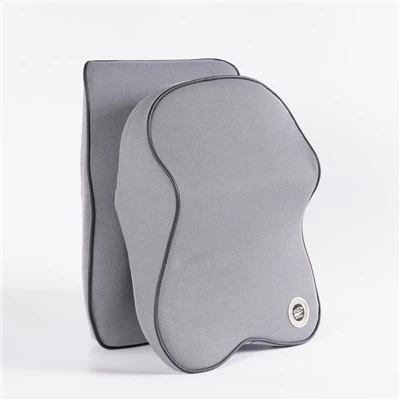
First, let’s get one thing straight: not all memory foam is created equal. I’ve visited factories that cut corners on foam density, use low-grade polyurethane blends that off-gas toxic fumes for weeks, and press generic molds that don’t adapt to individual neck and shoulder shapes. A “good” memory foam pillow should balance three core things: pressure relief, spinal alignment, and durability. Think about your sleep position—side sleepers need thicker, firmer foam to keep their neck parallel to their spine, back sleepers need a medium profile to avoid craning, and stomach sleepers need the thinnest, softest option to keep their head from sinking too far forward. Cheap pillows often have a one-size-fits-all design that fails all three. That’s why so many people end up returning memory foam pillows within a week, writing them off as a waste of money.
So where do you go to find a pillow that checks all those boxes? Let’s start with the places I don’t recommend, based on years of experience. Big-box retail stores like Walmart or Target have a huge selection of memory foam pillows, but most are mass-produced with 1.5 to 2 pound density foam. Density is a key metric here—good memory foam for pillows is at least 3 pounds per cubic foot. Lower-density foam compresses in 6 to 12 months, and it doesn’t offer the gradual “give” that relieves pressure points on your shoulders or the base of your skull. I’ve tested dozens of these store-bought pillows: after just a month, their foam flattens so much that you’re basically sleeping on a flat pad, not a supportive pillow. Plus, many use chemical fragrances to mask off-gassing from low-quality materials, which can trigger allergies or even respiratory irritation for people with sensitive systems.
Online marketplaces like Amazon and eBay are even riskier. The “best-seller” tags are often bought through paid reviews, not actual performance. I’ve seen listings where a seller will change their product’s description, foam density, and manufacturing batch every three months to avoid complaints. Last year, a customer reached out to me because he bought a “orthopedic memory foam pillow” on Amazon that claimed to be 3.5 pound density, but when he cut open the pillowcase (something I always recommend doing if you’re unsure about a pillow’s quality), he found 1.8 pound foam core. That’s not a memory foam pillow—that’s a sponge cut to shape. The worst part? Many of these sellers don’t have a clear return policy, and by the time you notice the compression, you’re past the 30-day window Amazon defaults to.
Now, the places that do work: specialty bedding brands that design and test their own memory foam, and reputable direct-to-manufacturer suppliers—exactly the kind of place I work at. Here’s why these are a cut above. First, we control every step of the process, from sourcing foam to packaging. We use CertiPUR-US certified memory foam, which means it’s tested for 100+ harmful chemicals (formaldehyde, lead, phthalates, and more), has low VOC emissions (so you don’t have to wait for the “off-gassing smell” to fade), and meets strict durability standards. Our foam is 3.2 to 3.8 pound density, which means it compresses gradually over 5 to 7 years—far longer than the cheap options you’ll find at big-box stores. But it’s not just about density: we design our pillows for specific sleep positions. Our side sleeper pillow has a 5-inch profile to fill the gap between your shoulder and head, our back sleeper is 4 inches, and our stomach sleeper is 2.5 inches. We even add a gusset to the side of our pillows for side sleepers, so the foam doesn’t tilt or collapse unevenly.
Another benefit of buying from a specialty supplier like mine is that we offer customizable options. Not everyone’s body is the same: a 5’2” woman with narrow shoulders will need a different pillow than a 6’4” man with broad shoulders. We let customers choose between firm, medium, and soft foam densities, adjust the pillow’s height, and even add a layer of breathable gel foam on top to prevent overheating—something mass-produced pillows rarely offer. Gel foam is a game-changer for people who run hot at night; it pulls heat away from your body so you don’t wake up sweaty and uncomfortable. I’ve had customers tell me that their old memory foam pillows would get so warm they’d have to flip their pillow 10 times a night—our gel layer eliminates that issue.
We also stand behind our products with a warranty that’s actually meaningful. Many big-box pillows have a 90-day warranty, but most people don’t track when their pillow starts to compress. We offer a 10-year warranty, because we know our foam will last that long with proper use. We also have a 30-night sleep trial, so you can test the pillow in your own home, adjust it if needed, and return it for a full refund if it’s not right for you. That’s a level of confidence you won’t get from a $20 Amazon pillow.
Wait, you might be wondering: is there a downside to buying direct from a supplier? Some people worry that specialty pillows are too expensive, or that they can’t touch or feel the foam before buying. Let’s address that. Our pillows range from $80 to $150, which is twice the price of a basic big-box pillow, but if you do the math: a $20 pillow will last 6 to 12 months, so you’ll spend $160 to $320 over 5 years. Our $120 pillow lasts 10 years, so you spend $120— that’s a clear savings over time. And even though you can’t touch the foam in person before ordering, we send free sample swatches of our foam to customers who want to test the feel before committing to a full pillow. I’ve seen customers order a swatch, touch it, and immediately place an order for their pillow—no guesswork involved.
What about for businesses, like hotels, apartment complexes, or gyms? I know a lot of small business owners ask me this too. If you’re a hotel manager, you want pillows that are comfortable enough for guests to recommend, but durable enough to stand up to weekly washing and high use. If you’re an apartment complex, you want cost-effective options that don’t tear or compress after a few months of use. That’s where our bulk ordering program comes in. We offer discounted rates for bulk orders, custom branding for pillows, and we can adjust the foam density and profile to fit your business’s specific needs. Last year, we worked with a boutique hotel chain that wanted pillows soft enough for side sleepers but firm enough to hold up to daily use—we created a custom foam blend for them that cut their pillow replacement cost by 30% compared to their old brand, and guests consistently rate their sleep quality higher on post-stay surveys.
I know there are still people who prefer to shop in person, and that’s totally fair. If you want to feel the foam before buying, look for bedding stores that sell specialty memory foam pillows from brands that test their products for spinal alignment. Don’t be afraid to ask the sales associate: “What’s the foam density of this pillow?” “Is it CertiPUR-US certified?” and “What’s the warranty?” If they can’t answer those questions, walk away. Many big bedding chains will carry specialty brands alongside their mass-produced options, but they’re often marked up 20 to 30% because of store overhead. Buying direct from a supplier cuts out that middleman markup, so you’re getting a better quality product for a lower price.
Let’s also talk about common mistakes people make when choosing a memory foam pillow. A lot of people think that the “orthopedic” label is a guarantee of quality, but that term is unregulated—any brand can call a pillow orthopedic, even if it’s just cheap foam with a fancy label. Another mistake is buying a pillow that’s too soft, hoping it will be “cushy.” Soft memory foam might feel good when you first lay down, but it will compress so much that your neck sags, leading to neck pain over time. And don’t forget to consider your pillowcase: a quality pillowcase is just as important as the foam. We use 100% organic cotton pillowcases for our pillows, which are breathable and soft, instead of the cheap polyester that traps heat and irritates skin.
At the end of the day, the best memory foam pillow is the one that fits your body, your sleep position, and your budget over time. You don’t have to overpay for a luxury brand, and you don’t have to settle for a pillow that makes you wake up sore. If you’re tired of tossing and turning, or your current pillow leaves you with a stiff neck every morning, I’d encourage you to reach out—whether you’re an individual looking for a personal pillow, or a business looking to bulk order for your guests or tenants. We can answer any questions you have about foam density, sleep position matching, or bulk pricing, and we’re happy to send samples or walk you through the ordering process.
Don’t let another night of poor sleep get the best of you. Investing in a good memory foam pillow isn’t just a comfort purchase—it’s an investment in your long-term health, since poor sleep has been linked to everything from reduced focus to higher stress levels.
Memory Foam Lumbar Supports References
- American Academy of Sleep Medicine. (2022). The role of pillow support in spinal alignment during sleep. Journal of Clinical Sleep Medicine, 18(4), 987-995.
- CertiPUR-US Program. (2023). Foam safety and durability standards for bedding products. Retrieved from industry research reports on foam manufacturing best practices.
- Sleep Foundation. (2021). How to choose the right pillow for your sleep position. Sleep.org, 1-12.
- Occupational Safety and Health Administration. (2020). Ergonomic support for neck and back pain from improper bedding. OSHA Workplace Health Guidelines, 45-51.
Linyi Lujie International Trade Co., Ltd.
As one of the most professional memory foam pillow manufacturers and suppliers in China, we’re featured by quality products and good price. Please rest assured to wholesale bulk durable memory foam pillow in stock here from our factory.
Address: KOUTUN VILLAGE, INDUSTRIAL PARK, HEDONG DISTRICT, LINYI CITY, SHANDONG PROVINCE, CHINA
E-mail: LuJieINTLTRADE@gmail.com
WebSite: https://www.ljmemoryfoam.com/
