If you’ve ever pulled a takeout order out of a plain rectangular box, only to realize it’s the exact same shape as 17 other containers from that same meal service, you probably didn’t stop to wonder why that is. But as a food box supplier who’s spent the last 12 years designing packaging that works for both kitchens and diners, I can tell you: shape isn’t just a design choice. It’s the first line of defense for food quality, a key part of logistics, and even a small way to make a meal feel intentional. The short answer to “Do food boxes come in different shapes?” is a resounding yes—but the why behind those shapes is where the real story lives, especially when you’re balancing the needs of a busy cafe, a meal kit brand, or a growing catering business. Food Box
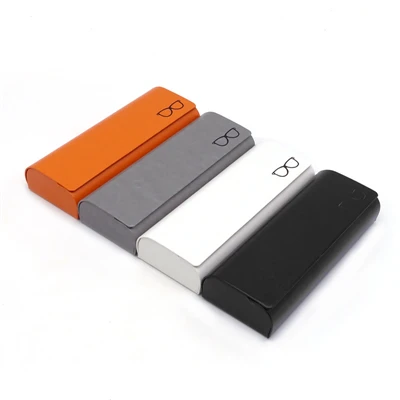
Let’s start with the shapes you see every day, and why they show up where they do. Rectangular boxes are the workhorses of the food packaging world, right? For decades, they’ve dominated everything from sandwich containers to bulk meal boxes, and for good reason. When you stack a truck full of rectangular boxes, there’s almost zero empty space between them—we used to cram 400 9×12-inch rectangular boxes into a single small delivery van before we started adding more specialized shapes, and now we fit 450. That’s 50 more meals per truckload, less fuel, fewer trips, and less wear on the food. But rectangular boxes have a flaw. If you’re packing a meal that has round sides—like a burger, a scoop of mashed potatoes, or a piece of fish with a curve—those flat edges create dead space. Diners often report mashed potatoes sliding into the corner, or a burger getting squished against the sharp edge of a rectangular box. That’s where circular and oval boxes come in, a shape I started pushing our design team to develop back in 2018 after a local pasta shop client told me 15% of their orders came back with damaged noodles or spilled sauce.
Circular food boxes aren’t just for takeout pizza, even though those are the most iconic use case. Think about it: a circular shape distributes pressure evenly across the entire top and bottom. If you’re packing a salad with dressing on the side, a circular lid fits snugly without any gaps, so you don’t have to double-wrap the container to prevent leaks. When we tested our 8-inch circular salad boxes last year, we worked with a nearby university meal service to track spill rates. Over three months, the rectangular boxes had a 7% spill rate for dressings, while the circular ones dropped that to 1.2%. That’s a huge win for a business that serves 2,000 students a day—less food waste, fewer angry calls from diners, and less money spent on replacement packaging. Oval shapes, meanwhile, are the middle ground. They work well for things like sandwiches or grain bowls—rounded enough to hold loose ingredients without dead space, but still stackable a little better than true circles. We started offering oval boxes for a small chain of breakfast cafes in 2020, and they loved them because they fit easily into standard bag holders for delivery drivers, which is a small but critical detail for anyone running a daily delivery route.
But it’s not just about basic shapes like rectangles and circles. The last five years have brought a surge in specialty shapes, all designed for specific menu items. Let’s talk about our most popular specialty shape right now: the compartmentalized shape for meal kits. Early meal kits were packed in flimsy rectangular boxes with random dividers, which often left items like berries getting crushed or salad greens getting soggy next to raw chicken. In 2021, we developed a modular shape that’s like a rectangular base with adjustable dividers, carved into specific slots for common meal kit components: a slot for a 4-oz yogurt cup, a slightly deeper slot for a piece of chicken, a shallow slot for veggies, and a small slot for a packet of sauce. Clients who use these boxes tell us their meal damage rate dropped by 10%, and customers love that every component has its place—no more digging through a box to find a small herb packet.
We’ve also done custom shapes for some unique clients. Last year, a vegan bakery reached out asking for a box that would fit their round gluten-free cakes, but wouldn’t add extra bulk for shipping. The standard round cake box is too big, so we designed a tapered circular shape that’s slightly smaller at the top than the bottom. That way, when you stack multiple cake boxes, the top of one fits inside the bottom of the one above it, cutting the shipping footprint by 20% per cake. It’s a small tweak, but for a bakery that ships 50 cakes a week, that adds up to less cardboard waste and lower shipping costs. Another client, a hot dog cart chain, asked for a rectangular box with rounded ends that would hold a hot dog and fries without the fries spilling over. We tested several prototypes before landing on a shape with a slight lip on one end, so the fries sit in a small trough, and the hot dog sits in the other, separated by a thin cardboard barrier. Their drivers report zero spilled fries on busy festival weekends, which is a massive upgrade from the old flimsy paper containers they used before.
Now, you might be wondering—why do these shape choices matter so much? It’s not just about how things look. For food box suppliers, shape is tied directly to three non-negotiables for our clients: food safety, cost, and customer satisfaction. Let’s break that down. First, food safety: a box with no sharp edges is easier to handle, which reduces the chance of cuts for kitchen staff. A shape that seals tightly (like a circular box with a locking lid) prevents cross-contamination from other items in a delivery truck. We had a client in 2019 that was using rectangular boxes for both raw and cooked meals, and they had 12 cases of cross-contamination in a month. Once they switched to color-coded circular boxes—blue for raw, white for cooked—those cases dropped to zero. Second, cost: as I mentioned earlier, stacking efficiency cuts fuel and shipping costs, but shape also affects how much cardboard we use. A well-designed shape uses less material than an over-sized rectangular box, which means lower costs for our clients and less environmental impact too. Third, customer satisfaction: when a diner opens a food box and their food is intact, not spilled, and easy to eat, they’re more likely to come back. We track reviews for all our clients that use our boxes, and on average, clients that switched from generic rectangular boxes to shape-specific boxes saw a 8-10% increase in positive online reviews related to packaging.
But it’s not all perfect. There are challenges to using specialized shapes, and that’s why we don’t push every client to use something fancy. For example, custom shapes require a minimum order quantity—usually 10,000 boxes—so a small independent cafe that only serves 50 meals a day can’t justify switching to a tapered circular cake box. For those clients, we offer a line of standard shapes that are still designed with function in mind. We also test every new shape for durability, especially when it comes to hot or cold food. A lot of circular boxes, for example, work great for cold salads, but we had to redesign our hot soup circular box because the round shape didn’t let the lid seal tightly enough when filled with hot liquid. We added a small tab on the side of the circular hot box, so the lid locks into place, and now it holds hot soup without spilling even if the box is tipped upside down.
Another thing we’ve learned over the years: diners don’t always notice the shape, but they notice the experience. I’ve talked to hundreds of customers while visiting our clients’ shops, and most can’t tell you the exact shape of their food box, but they can tell you if their pasta was cold or spilled, or if their sandwich was squished. That’s why our approach to shape design is always client-first, not trend-first. We don’t jump on a new shape just because it looks cool—we design shapes that solve specific problems for the specific business we’re working with. For a catering company that packs 100 meals for an event, we focus on stackability and leak resistance. For a meal kit brand that ships across the country, we focus on cushioning and compactness. For a local bakery that sells pastries to go, we focus on easy opening and a shape that shows off the pastry nicely.
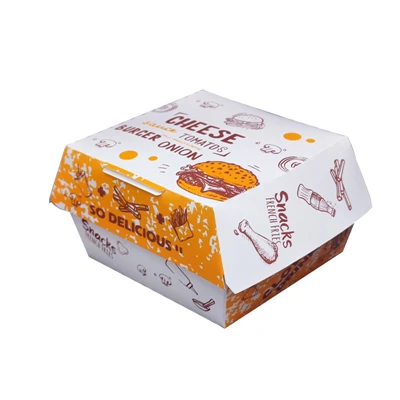
If you’re a food service owner—whether you run a small cafe, a growing catering business, a meal kit brand, or a local bakery—you might be asking: how do I know what shape is right for my needs? The first step is to look at the biggest pain points you have with your current packaging. Is food spilling during delivery? Are shipping costs too high? Are customers complaining about squished or soggy food? Once you identify that problem, the shape that solves it will become clear. A good food box supplier won’t just sell you a box—they’ll work with you to test different shapes, track how they work for your specific menu and operations, and adjust as needed.
Clothing Box At the end of the day, food boxes are more than just a container to hold food. They’re the first thing a diner interacts with, and they play a big role in whether a meal goes well or not. The range of shapes available—from basic rectangles to custom tapered circles, compartmentalized meal kit boxes, and specialty shapes for specific menu items—means there’s a perfect shape for every need, big or small. If you’re tired of dealing with packaging that doesn’t work for your business, we’re here to help. Whether you’re looking to cut food waste, lower shipping costs, or just make your customers happier, we can walk you through the options, test prototypes, and find a food box that fits your menu, your operations, and your budget. Reach out to our team to start a conversation about your packaging needs.
References
- Food and Agriculture Organization of the United Nations. (2022). Reducing Food Loss and Waste in Small and Medium Food Enterprises. Rome, Italy.
- Packaging Digest. (2023). “The Role of Packaging Shape in Supply Chain Efficiency and Food Safety.” Accessed from industry supply chain archives.
- National Restaurant Association. (2022). Restaurant Packaging Trends and Operational Best Practices. Washington, D.C.
- Journal of Food Protection. (2021). “Packaging Shape and Its Impact on Cross-Contamination Risk in Ready-to-Eat Food Service.” Volume 84, Issue 10.
Dongguan Jinying Printing Co., Ltd.
As one of the most experienced food box manufacturers and suppliers in China and Vietnam, we also support custom service and OEM service. Welcome to buy bulk luxury food box at competitive price from our factory. If you have any enquiry about cooperation, please feel free to email us.
Address: No. 5, 1st Road, Jingshan Third Industrial Zone, Chashan Town, Dongguan City, Guangdong Province
E-mail: inquiry@dg-jinying.com
WebSite: https://www.gpspacking.com/
