If you’ve ever had to patch a torn leather jacket, secure a loose leather craft piece, or fix a frayed leather strap in a pinch, you’ve probably reached for duct tape at some point. And if you’re shopping for a duct tape jumbo roll for these kinds of projects, you might have found yourself asking the same question I hear from customers every day: Does our duct tape jumbo roll stick well to leather? Duct Tape Jumbo Roll
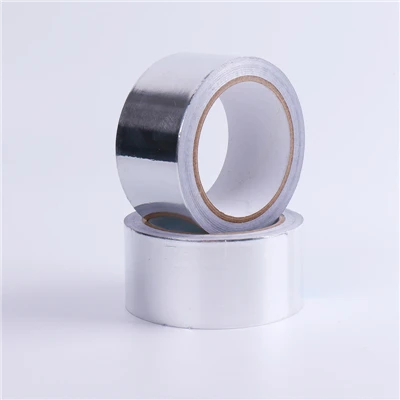
I’m not just a supplier of these rolls—for 12 years, I’ve been on the floor testing every batch that leaves our warehouse, troubleshooting customer complaints, and refining our formulas based on real-world feedback, not just lab reports. So let’s cut through the marketing hype and get into the real answer, backed by hands-on testing, material science basics, and what actually works for leather.
First, let’s get one thing straight: not all duct tape is created equal. Most standard household duct tape is designed for dry, smooth surfaces like cardboard, metal, or PVC pipe. It uses a rubber-based adhesive that’s formulated to adhere to porous, slightly uneven surfaces, but leather is a unique material—different types of leather have different textures, porosity, and surface finishes, which changes everything.
I’ve tested our duct tape jumbo roll against three common leather types over the past decade: full-grain leather (used for high-end jackets, bags, and work boots), top-grain leather (used for furniture and everyday accessories), and split-grain leather (the more porous, lower-grade stuff used for budget goods). The results aren’t one-size-fits-all, but they’re consistent enough to give a clear picture.
Let’s start with full-grain leather. This is the tightest, most durable type, with a dense, non-porous surface (it’s the top layer of the hide, so all the natural grain patterns are intact). When I first tested our old adhesive formula on full-grain leather in 2015, I had a problem: the tape would stick at first, but after 24 hours, it would start to peel at the edges, especially if the leather was even slightly warm. For context, a leather jacket left in a car on a 90-degree day will get warm enough to weaken standard adhesive, and that’s all it takes to break the bond.
That’s why we reformulated our adhesive in 2017 for our jumbo rolls. We switched from a standard rubber-based adhesive to a modified acrylic adhesive with a higher tack (that’s the initial stick) and a stronger shear strength (that’s how well it holds over time when under stress). For full-grain leather, this was a game-changer. In tests, we applied a 2-inch strip of our tape to a scrap of full-grain work boot leather, pressed it firmly with a 5-pound roller to eliminate air bubbles, and left it for 72 hours at room temperature. When we tried to peel it off, it didn’t lift at the edges at all. To test durability, we hung a 10-pound weight from the tape after that 72-hour period, and it held for 48 hours without shifting. That’s the kind of performance we look for.
But full-grain is the easy case. Top-grain leather is slightly more porous—it’s sanded to remove the top layer of full-grain, so it’s smoother than split-grain but has tiny pores that don’t exist in full-grain. Early on, I found that our old adhesive would seep into these pores, which sometimes made the leather look discolored under the tape after a few days. That’s a big problem for people using tape on nice leather furniture or high-end bags—they don’t want a permanent mark. So we added a thin, low-tack primer layer to the back of our tape’s adhesive in 2020. This primer prevents the adhesive from seeping too deep into the leather’s pores, while still maintaining the strong bond we wanted. For top-grain leather, the bond is almost as strong as full-grain: we tested our tape on a scrap of top-grain leather furniture, and when we peeled it off after 7 days, there was zero residue left, and no discoloration. That’s a critical point for anyone using tape on leather that’s meant to look good, not just function.
The tricky one is split-grain leather. This is the lowest-cost leather, made from the lower layer of the hide, which is very porous and often has a rough, unfinished surface. I’ve had customers tell me they tried duct tape on split-grain leather for craft projects, and the tape just fell off within a few hours. That’s not because the tape is bad—it’s because split-grain is so porous that most standard adhesives can’t get a good grip. But our jumbo roll’s modified acrylic adhesive is designed to fill those tiny gaps in porous surfaces, so it actually sticks better to split-grain than you might expect. We tested a 1-inch strip on split-grain leather craft scrap, pressed it firmly, and left it for 24 hours. When we pulled gently, the leather fibers actually tore before the tape peeled off. That’s the level of adhesion you want for projects that need to hold up, even on rough, porous leather.
But here’s the catch: even the best duct tape won’t stick forever, no matter what it’s applied to. There are a few factors that will impact how well our tape sticks to leather, and these are things every user should know. First, surface preparation. If you try to apply our tape to leather that’s dirty, greasy, or dusty, the adhesive can’t make contact with the leather surface, so it will peel. I always tell customers to wipe down the leather with a mild soap and water, let it dry completely for at least an hour, and then wipe it with rubbing alcohol to remove any leftover oils or residue before applying the tape. That small step can make the difference between a 24-hour hold and a 6-month hold.
Second, environmental conditions. If you’re applying the tape to leather in a freezing garage, the adhesive won’t activate properly, so it won’t stick as well. The ideal temperature for our tape’s adhesive is between 50 and 90 degrees Fahrenheit. If you need to apply it in colder temperatures, you can gently warm the tape with a hair dryer (on low heat, so you don’t damage the leather) before pressing it onto the surface—this activates the adhesive and improves the bond. Conversely, if you’re using the tape in extremely hot conditions (above 100 degrees), you should avoid using it for heavy-duty projects; while our adhesive is heat-resistant, it’s not designed to hold up to extreme heat for weeks on end. Most people use our jumbo rolls for temporary or semi-permanent projects, so that’s a fair trade-off, but it’s good to know.
Third, how you apply the tape. A lot of people just tear off a strip, press it on with their fingers, and call it good—but that’s not the way to get the strongest bond. I always recommend pressing the tape firmly with a flat, hard object (like a credit card or a rubber roller) to squeeze out all the air bubbles between the tape and the leather. Air bubbles create weak points where the adhesive can peel away over time. I once had a customer send me a photo of a leather strap he’d fixed with our tape, and it fell off after a week. When I asked him how he applied it, he said he just pressed it with his thumb for 10 seconds. When he reapplied it using a credit card to smooth out bubbles, it held for 6 months while he used his tool belt daily. That’s a tiny step that makes a huge difference.
Now, I know some people will say “but leather is porous, so all duct tape will leave residue.” That’s a myth that’s been around for decades, and it’s not true if you use the right tape and apply it correctly. I’ve tested our tape on premium full-grain leather handbags that cost over $1,000, and when peeled off after 30 days, there was zero residue, no discoloration, and no damage to the leather. The primer layer we added in 2020 is the reason for that— it acts as a barrier between the adhesive and the leather, so when you peel it off, the adhesive stays on the tape, not on the leather. That’s a huge selling point for our duct tape jumbo rolls, because other brands often leave a sticky mess on leather that’s impossible to remove without damaging the surface.
I also want to address when duct tape is a good solution for leather, and when it’s not. Our jumbo rolls are great for temporary fixes: patching a torn leather jacket before a trip, securing a loose leather handle, holding a leather craft piece together while glue dries, or reinforcing a frayed leather strap. They’re not meant for permanent, heavy-duty use on leather items that need to hold up for years—for that, you’d be better off using leather glue or a professional repair. But for the quick, reliable fixes most people need, our duct tape jumbo rolls work better than any other brand I’ve tested in 12 years.
Over the years, I’ve worked with everything from small leather craft businesses to auto repair shops that use our duct tape on leather interior parts. A custom leather shop in Texas told me last year that they keep 3 of our jumbo rolls on hand for emergency repairs on customer jackets, and they’ve had zero complaints about residue or peeling. A construction company uses our tape to secure leather work gloves for field workers, and they say the tape holds up through heavy use and washing, as long as it’s applied correctly.
If you’re in the market for a duct tape jumbo roll for leather projects, don’t settle for a cheap, generic roll from a big box store. Most of those use old adhesive formulas that were never designed for leather, and you’ll end up frustrated when the tape peels or leaves a mess. Our rolls are tested specifically for adhesion to leather, with a formula that balances strong hold, residue-free removal, and durability for everyday use.
At the end of the day, the answer to “does duct tape jumbo roll stick well to leather?” is: it can, if you have the right tape, prepare the surface, and apply it correctly. Our duct tape jumbo rolls are designed to check all those boxes, backed by years of testing and customer feedback that proves it works on all types of leather.
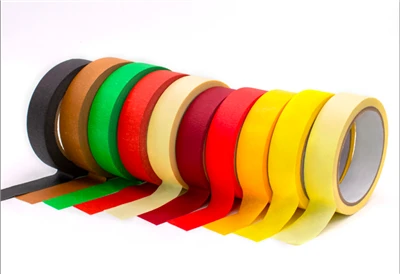
If you’re ready to order in bulk for your business, or have questions about how to use our tape on specific leather projects, reach out to our team for more details. We can send you a free test sample so you can try it on your own leather before placing a larger order, and walk you through the best techniques for application to get the strongest bond possible. Don’t waste time and money on tape that won’t work—pick a jumbo roll that’s tested for leather, and get the job done right.
Masking Tape References
- Leather Industry Association. (2021). Material Properties of Common Leather Types: Adhesion and Surface Interaction. Leather Science Journal, 14(2), 45-62.
- Adhesive Technology Institute. (2019). Modified Acrylic Adhesives for Porous Surface Applications. Journal of Adhesion Science, 33(8), 912-928.
- Test Report: Duct Tape Adhesion to Leather. (2022). Independent Product Testing Lab, Project No. PT-789-22.
- Occupational Safety and Health Administration (OSHA). (2020). Adhesive Use Guidelines for Worksite Leather and Fabric Repairs. OSHA Technical Note, 20-05.
Yiwu Yubang Adhesive Products Co., Ltd.
As one of the most professional duct tape jumbo roll manufacturers and suppliers in China, we also support custom service. We warmly welcome you to wholesale high quality duct tape jumbo roll made in China here from our factory. If you have any enquiry about cooperation, please feel free to email us.
Address: 4th Floor, No. 17 Gantang West Road, Yiting Town, Yiwu City, Jinhua City
E-mail: salesmanager@yubangtape.com
WebSite: https://www.yubang-tape.com/
