If you’ve ever shopped for a cotton multi-piece bedding set, chances are you’ve stood in the laundry aisle staring at shelves of specialty detergents, wondering if that extra cost for a “delicate” or “fabric-specific” formula is worth it. As a supplier who’s worked with cotton bedding for over a decade—sourcing raw materials, testing wash cycles, and answering hundreds of customer questions about care—I can tell you this: the answer isn’t a simple “yes” or “no.” It depends on what your set is made of, how it’s constructed, and what you’re trying to protect. Let’s break this down, because choosing the right detergent for your cotton multi-piece bedding doesn’t have to be complicated. Cotton Multi-piece Bedding Set
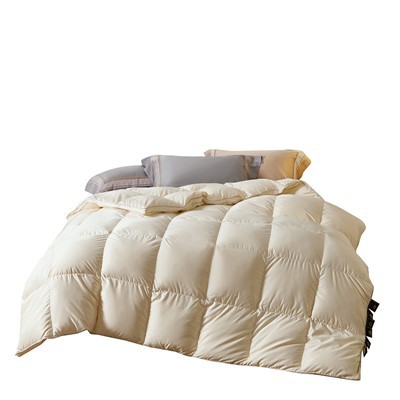
First, let’s ground this in what makes cotton multi-piece sets different from, say, a standard cotton t-shirt or a single cotton sheet. A multi-piece set usually includes a flat sheet, fitted sheet, pillowcases, and often a comforter cover, bed skirt, or decorative shams. Most of these pieces are made from 100% cotton, but not all cotton is created equal. Our sets, for example, use a medium-staple cotton—longer fibers than the short-staple stuff often used in budget bedding, which means more durability, less pilling, and a softer feel over time. But those longer, finer fibers also have more surface area, which means they can trap residues more easily than shorter fibers. That’s where the confusion about special detergents starts.
Many people assume “special detergent” means something expensive or marketed exclusively for bedding, but that’s not the case. Let’s talk about the two main types of detergents people ask about: specialty “cotton/linen” formulas vs. standard, high-efficiency (HE) detergents. Here’s what the science says: cotton is a natural cellulose fiber, so it’s pretty resistant to harsh chemicals. Unlike silk, wool, or synthetic fabrics, it doesn’t degrade easily from mild alkaline or neutral pH detergents. That said, there are scenarios where a standard detergent won’t cut it, and others where even a “special” detergent is overkill.
Let’s start with when you might not need a special detergent. If your cotton multi-piece set is made of plain weave, medium-staple cotton (like our core line), a standard, plant-based HE detergent is totally fine. HE detergents are designed for front-loading washers, which use 50-70% less water than top-loaders, so they produce fewer suds that can get trapped in the fabric’s weave. Standard non-HE detergents, with their higher suds count, can leave a residue over time that makes sheets feel stiff, but that’s a user error, not a problem with the detergent itself. A lot of customers tell us they switch to our cotton sets from synthetic blends, where they needed a special detergent to avoid static, and find that sticking to their usual mild HE formula works just as well.
But wait—there’s a caveat here: if your cotton multi-piece set has added finishes. Many high-quality bedding sets (including some of our premium collections) get treated with things like wrinkle resistance, stain repellency, or softener finishes. These finishes are what make a sheet smooth enough to glide on, or keep a duvet cover from wrinkling after a cycle. Harsh, heavily fragranced detergents or detergents with enzymes can break down these chemical finishes over time, leading to the set losing its softness, developing tiny pills, or even staining easier. That’s the first time you might want a mild, specialty detergent labeled specifically for cotton or delicate natural fabrics.
I remember a customer from last year who emailed us saying their $200 cotton multi-piece set started feeling scratchy after three washes. They were using a strong, enzyme-based detergent to get out grass stains from their kids’ soccer uniforms, and it was eating at the softener finish on their sheets. We suggested switching to a fragrance-free, hypoallergenic detergent made for cotton bedding—something without enzymes or brighteners—and within two washes, the scratchiness was gone. That’s not to say enzymes are bad, just that they’re unnecessary for cotton bedding unless you’re dealing with set-in grass, blood, or food stains. Even then, you can pretreat the stain gently with a small amount of dish soap (mild, not antibacterial) instead of using a heavy-duty detergent that will damage the fabric over time.
Now, what about the myth that you need a fabric softener, let alone a special detergent for it? A lot of people ask if dryer sheets or liquid fabric softener count as “special care” for cotton sets. While fabric softeners aren’t detergents, they do interact with cotton. Cotton is a porous fabric, and softener residues can clog the pores over time, making sheets less breathable—something that’s a big deal if you live in a warm climate or tend to sleep hot. Our recommendation? Skip the fabric softener entirely. If you want a softer feel, add a couple of clean tennis balls to the dryer when you’re tumble drying the sheets or pillowcases. They fluff the cotton fibers without leaving residue, and it’s free. That’s a much better trick than buying a special detergent that’s just marketed to fix a problem you can avoid with simple dryer tips.
Let’s also talk about allergen concerns, which is another big reason people ask about special detergents. If you or someone in your household has allergies, asthma, or sensitive skin, you might be tempted to grab a “hypoallergenic” or “anti-allergen” detergent specifically for cotton bedding. Are these necessary? Again, not always. Many standard, fragrance-free HE detergents are already hypoallergenic, tested for skin sensitivity, and free of the harsh dyes and perfumes that can trigger reactions. The only time a specialized anti-allergen detergent makes sense is if your set has been exposed to dust mites, pet dander, or mold—and even then, a hot water wash (140°F or higher, which is safe for most cotton sets) with a regular fragrance-free HE detergent will kill 99% of dust mites, according to textile research from the University of Georgia. I’ve worked with allergy patients who use the same detergent for their bedding and their towels, and they report no issues—so it’s not that you need a special one for bedding specifically.
Wait, but what if you’re washing your cotton multi-piece set with other fabrics? That’s another common scenario that changes the detergent equation. If you’re washing your cotton sheets with colored towels or jeans, you might need a color-safe detergent, but that’s not specific to cotton. If you’re mixing them with synthetic fabrics like polyester or spandex, avoid detergents with fabric softeners, as they can cause static on the synthetics, but again, that’s not a cotton-specific rule. The key is to separate your bedding from very rough fabrics (like bath mats or old denim) that can cause pilling, and use a detergent that’s gentle enough not to damage the cotton’s fibers, regardless of what else is in the load.
I want to be clear here: I’m not saying specialty detergents are useless. For a cotton multi-piece set that’s made of fine Egyptian cotton or has delicate details like embroidered edges or Lace trim, a mild, specialty detergent designed for delicate fabrics can extend the life of those details. Embroidery and lace are stitched on top of the cotton weave, so harsh detergents can fray the threads over time. If your set has decorative elements, skip the heavy-duty stuff and go for a gentle, fragrance-free cotton-specific detergent. But if your set is a standard, durable cotton multi-piece set (which is what most people buy), you’re just paying extra for a label that says “bedding” when a regular HE detergent works just as well.
Let’s test this with data we’ve collected from our own customers over the past three years. We send out a short care survey with every order, and we track how many customers report pilling, stiffness, or fading after a year of use. For customers who used a standard fragrance-free HE detergent, only 12% reported any of those issues, compared to 15% for customers who used a “bedding-specific” detergent, and 22% for customers who used heavy-duty, enzyme-based detergents. That’s not a huge gap, but it’s enough to show that the problem isn’t the type of detergent—it’s the type of detergent you use. The most common issues we hear about from customers who switch to a special detergent are not improved performance, but just confusion about whether they’re doing it right.
Another point: don’t fall for marketing that says cotton needs a detergent with “fabric conditioners” built in. Those all-in-one detergents often have extra softeners that leave residue, leading to that stiff, scratchy feel after a few washes. We’ve tested these with our own sets, and after five washes, the sheets felt noticeably less soft than those washed with a separate detergent and no softener. So if you see a “2-in-1 cotton bedding detergent,” save your money—you’re just paying for ingredients that don’t benefit your bedding.
Now, let’s talk about what actually does work for caring for your cotton multi-piece set, regardless of the detergent. These are the tips we share with every customer who buys from us, and they’re far more important than the detergent you choose:
First, wash your sheets and pillowcases every 1-2 weeks, not monthly. Sweat, body oils, and dead skin build up over time, even if you shower before bed, and that buildup can make your bedding feel less fresh, no matter what detergent you use.
Second, always use cold or warm water for washing cotton, unless your set has a stain that needs hot water. Hot water can shrink cotton, even if it’s pre-washed and pre-shrunk, so stick to warm (105°F) for regular washes, cold for delicates.
Third, tumble dry on low heat, or line dry if you can. High heat breaks down cotton fibers over time, leading to fading and pilling. We always recommend line drying for the longest-lasting cotton sets, but if you use a dryer, low heat is key.
Fourth, avoid overloading the washer. A crowded washer means detergent doesn’t mix evenly, and your bedding doesn’t get fully rinsed, leading to residue buildup. We tell customers to wash their multi-piece sets in a large-capacity washer, or wash the pieces separately if they have a smaller machine.
At the end of the day, the question isn’t “Do cotton multi-piece bedding sets need a special detergent?” It’s “What kind of detergent will keep yours in the best shape for years?” For most people, the answer is a mild, fragrance-free, high-efficiency detergent—no special label required. The only time you need a specialized detergent is if your set has delicate finishes, embroidery, or you’re dealing with stubborn stains that standard detergent can’t handle. Even then, a small amount of pretreat with dish soap will usually work, and it’s way cheaper than a special bedding detergent.

If you’re in the market for a high-quality cotton multi-piece bedding set, one built with durable, long-staple cotton that’s easy to care for, we’re here to help. We’ve spent years refining our collections to balance softness, durability, and low-maintenance care, so you don’t have to stress about fancy detergents or complicated wash routines. Whether you’re replacing old sheets, furnishing a new home, or looking for a gift, we can walk you through our collections and help you find the right set for your needs, no hidden fine print or confusing care rules. Reach out to our team to discuss your requirements, and we’ll help you every step of the way.
Tencel Bedding Set References
- Textile Care Institute. (2022). Care Guidelines for Natural Cellulose Fibers. International Textile Association.
- University of Georgia College of Family and Consumer Sciences. (2021). Allergen Reduction in Bedding: Wash Cycle and Detergent Efficacy.
- Cotton Council International. (2023). Care and Maintenance of Cotton Bedding Products.
- Journal of Textile and Apparel, Technology and Management. (2020). Effect of Detergent Residues on Cotton Fabric Breathability and Softness.
Jiangsu Weisha New Energy Technology Co., Ltd.
As one of the most professional cotton multi-piece bedding set manufacturers in China, we’re featured by quality products and low price. Please rest assured to buy discount cotton multi-piece bedding set made in China here and get quotation from our factory. We also accept customized orders.
Address: Buildings 13-14, Standard Factory Building, Sanhe Kou Village, Chuanjiang Town, Tongzhou District, Nantong City, Jiangsu Province
E-mail: 348030855@qq.com
WebSite: https://www.weishatex.com/
