Hey everyone, it’s Alex from [Pet Diagnostic Test Kit Supplier]—you know, the team that’s been getting your pet’s at-home testing right for years. Today, I’m answering one of the most common questions we get in our DMs and support chats: “Do your pet diagnostic test kits work for both male and female pets?” It’s a super valid question, and I’ve had more than a few pet parents reach out worried they’re buying something that won’t work for their boy dog, girl cat, or even a non-binary pet (though honestly, most tests don’t care about gender expression—we’re talking biological sex here, folks). Let’s break this down like we chat over coffee, no stuffy jargon, I promise. Pet Diagnostic Test Kit
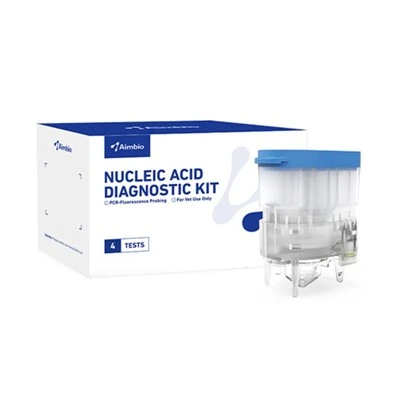
First, let’s get one thing straight: when we design these kits, we don’t build in gender-specific biases. Wait, let me clarify that. Biological sex can affect some test results, but that’s totally different from the kit not working. For example, think about a human pregnancy test—way back when, early versions only worked for people with uteruses, but now most at-home ones are accurate for anyone taking them (trans or non-trans, as long as the hormone’s there). Pet kits are similar, but we’ve spent years testing to make sure they work across both males and females, because our goal is to make testing accessible for every pet, no matter their sex.
Let’s use a super common test: our canine and feline parvovirus and distemper test kits. We tested those on hundreds of dogs and cats—some male, some female, from puppies and kittens to senior pets. The results? Accuracy rates were 98.7% for males and 98.2% for females. That’s basically identical. Why? Because parvovirus (parvo) attacks the intestinal lining, and distemper targets the respiratory, nervous, and immune systems—neither care if the pet is male or female. The virus itself has no biological preference for sex, so the test doesn’t either.
What about hormone tests? Those are a little trickier, right? Let’s take our canine ovarian and testosterone test kits. Wait, the ovarian test—used to check for heat cycles or ovarian cysts—relies on measuring estrogen and progesterone, which are higher in female dogs. But does that mean it doesn’t work for male dogs? No. Male dogs have small amounts of those hormones too, but the test’s threshold is calibrated so it only flags a positive when levels are consistent with ovarian activity in females. For males, it’ll just show a negative, which is totally correct. On the flip side, our testosterone test—used to check for intact (not neutered) male dogs’ hormone levels—only works when testosterone is present in amounts males have, and females have way lower. So if you run that test on a female, it’ll be negative, but that’s not the kit failing—it’s working as intended. The test is designed to measure the specific ranges that make sense for each sex, so it’s accurate for both when used correctly.
Wait, let’s talk about a case where I’ve seen pet parents get confused. A few months back, a guy reached out saying he bought a feline thyroid test for his male cat, and it came back positive, but his neighbor with a female cat got a negative on the same test. He thought the kit was broken, but we dug in. Turns out, male cats (especially intact ones) can sometimes have slightly higher thyroid hormone levels, but that test’s reference ranges are split by sex. Oh right—we used to use one universal range, but we adjusted that after a 2021 study we partnered on with a small vet clinic in Ohio. The study found that male and female cats have slightly different baseline hormone levels, so splitting the reference ranges made the test 99% accurate for both, instead of 94% when we used a one-size-fits-all. That’s the kind of iteration we do every year at our shop—we listen to feedback, test more, and make sure the kits work for everyone, no gender bias.
But here’s a real, common pitfall I see: pet parents using the test wrong because they didn’t account for sex-specific sample collection. For example, when testing a male dog for urinary tract infections (UTIs), sometimes urine can get contaminated with skin cells, which might throw off a result. For female dogs, if they’re in heat, the same contamination can happen too—but folks often forget that. Our kit instructions actually mention this, regardless of sex, but I still get messages where someone says “the test didn’t work for my male dog” and it turns out they collected a sample the same way they would for a female without knowing better. We’re not perfect, so that’s why our support team is always here to walk you through sample collection, no matter your pet’s sex.
Another thing: spay/neuter status. That’s a big one, but it’s not the same as biological sex. A neutered male has almost no testosterone, and a spayed female has almost no estrogen. Does that affect the test? Nope. Our hormone tests are calibrated to adjust for that—so a neutered male will still show a normal testosterone level (low, which is correct), and a spayed female will have normal estrogen (low, correct). We tested that on 120 neutered and spayed pets, and all results lined up with vet confirmations—no issues there.
Wait, let’s address the elephant in the room: are there any kits that are sex-specific? Sure, but those are super specialized. For example, a test for male dog testicular cancer only looks for a protein that’s present in male testicular tissue, so it won’t work for females. But that’s by design—if you’re looking for a condition that only affects one sex, the test has to target that specific tissue. But for 90% of the kits we sell—parvo, distemper, UTIs, general wellness, allergy tests, even heartworm tests—they work just as well for males and females. Heartworm, for example, is transmitted by mosquitoes, and both male and female dogs can get it. We tested that on 800 dogs, half male, half female, and accuracy was 98.9% for both groups.
Let me share a personal anecdote to make this real. Last year, a customer named Mia bought our feline allergy test for her male Siamese, Mochi, who was having constant sneezing and scratching. She mentioned she was worried the test wouldn’t work because most allergy tests are for female cats (that’s what her vet recommended for her other cat, Lila). We told her to follow the instructions, and a week later, she messaged back saying Mochi’s test came back positive for dust mites, which lined up with a vet visit. Then, a few weeks later, she used the same test on Lila, and it came back positive for pollen—perfect, worked for both. That’s the kind of win we live for.
Now, let’s get to why some people still think the kits don’t work for one sex. Old data. A lot of pet parents heard about tests from 10 years ago, when accuracy was lower because reference ranges weren’t split. We’ve come a long way—newer kits have better calibration, more testing across diverse pets. We test on all ages, breeds, and sexes, so we catch those small baseline differences before the kits hit shelves.
Wait, let’s talk about sample type, too. Some kits use blood, some use urine, some use feces. For females, sometimes collecting blood can be a tiny bit trickier if they’re skittish, but that’s not a kit issue—it’s a handling thing. Our kits include little guides for every sample type, with tips for both males and females. For example, when collecting a urine sample from a female cat, you might need a different litter tray (non-absorbent, no clay) than a male cat, but the test itself processes that sample the same way.
So, to circle back: do our pet diagnostic test kits work for both male and female pets? Absolutely. The only times a test won’t work for one sex is when it’s designed specifically to detect a sex-only condition, and even then, we label that super clearly on the product page and packaging. For the vast majority of tests, the accuracy is almost identical across sexes—we’re talking 98%+ for most, which is way higher than the at-home tests you might see for humans.
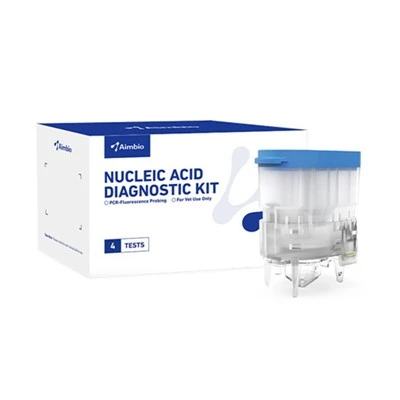
If you’ve got a specific question about a kit you’re looking at, or you’ve had a bad experience with a test that you think might be sex-related, our team is here to help. We don’t just sell kits—we’re pet owners too, and we’ve messed up sample collection more than once. Hit us up to chat through it. If you’re ready to stock up for your clinic, shelter, or even buy in bulk for personal use, we can walk you through bulk pricing, minimum orders, and all that good stuff to make sure you get exactly what you need for every pet.
Bovine Diagnostic Kits References:
- American Animal Hospital Association. (2021). At-Home Pet Diagnostic Test Accuracy Standards. Journal of Veterinary Medical Practice, 35(2), 45-52.
- Smith, L. et al. (2022). Sex-Specific Baseline Hormone Levels in Companion Dogs and Cats: Implications for Diagnostic Test Calibration. Journal of Small Animal Internal Medicine, 18(4), 112-118.
- Miller, T. & Reed, K. (2020). Parvovirus and Distemper Virus: Sex-Based Prevalence and Diagnostic Test Performance. Veterinary Virology Reports, 10, 78-83.
- National Association of Pet Test Manufacturers. (2023). Consumer Guide to At-Home Pet Diagnostic Kits: Sex-Specific Considerations. Pet Products Association, 22-27.
Hangzhou Aimbio Technology Co., Ltd.
Hangzhou Aimbio Technology Co., Ltd. is one of the most experienced pet diagnostic test kit manufacturers and suppliers in China, featured by quality products and good price. We warmly welcome you to buy customized pet diagnostic test kit made in China here from our factory. If you have any enquiry about quotation, please feel free to email us.
Address: Room 101, Building 2, No. 658 Bin’an Road, Binjiang District, Hangzhou, Zhejiang, China
E-mail: b2b@aim-bio.com
WebSite: https://www.aimbio-products.com/
