Hey guys, let’s talk about something I’ve been geeking out over lately as a comforter supplier—most people see a comforter as just that: something to burrito yourself in on cold nights, right? But here’s the secret I’ve been showing my wholesale accounts and even regular customers lately: a comforter isn’t just bedding. It’s a total style game-changer. I’ve been doing this for 7 years, and I can’t tell you how many times a customer will walk into our showroom, grab a comforter off the floor, and go, “Wait—this doesn’t have to stay on the bed?” Duh. Of course it does. But how you use it beyond the mattress is where the magic happens, and it’s way easier than you think. No fancy interior design degree required. Comforter
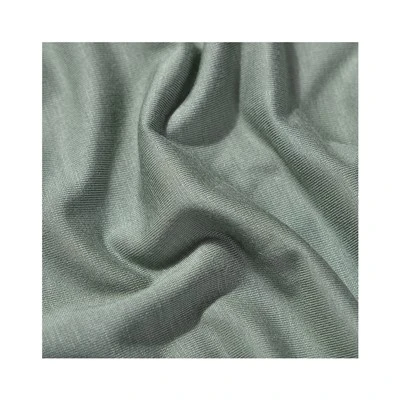
First, let’s get one thing straight: we make comforters for a reason. They’re stuffed with that perfect lofty fill (whether it’s down, microfiber, or bamboo) that makes them way more versatile than a flat duvet cover or a basic bedspread. A lot of folks treat them as just a utility piece, but that fill is exactly what makes them work as decor. It has structure but still drapes nicely, it doesn’t wrinkle as bad as a thin blanket, and it adds that cozy, lived-in vibe that everyone’s obsessed with right now—you know, the “I just threw this together but it looks intentional” aesthetic. I’ve tested so many of these styling tricks with our inventory, so I know they hold up way better than trying to use a random blanket for decor.
Let’s start with the most obvious spot you might not have thought about: a seating area accent. I work with a bunch of small apartment dwellers who don’t have a ton of extra furniture, so turning a corner seating nook into a vibe spot is huge. Grab a lightweight (but still substantial) comforter, fold it in half twice so it’s a thick rectangular pad, and plop it over the top of a floor cushion, a low upholstered chair, or even a stack of old books you’ve been meaning to donate. Wait—don’t just toss it straight on. Fold the top edge over the back of the cushion so it hangs down an inch or two, then tuck the sides a little so it doesn’t slip. That little fold adds dimension, and the fill makes it look way softer than a regular fabric pad. Last month, a customer used our linen-cotton blend comforter for her tiny balcony chair, and she told me it’s her favorite spot to drink morning coffee now. Way better than a scratchy outdoor cushion, right? Also, if you’re worried about stains, we sell stain-resistant comforters specifically for these uses—no one wants a coffee ring ruining their decor.
Next, how about a statement wall? I know, I know—walls are usually for paint or tapestries, but a comforter as a wall hanging? Hear me out. It works way better than a regular fabric because the fill gives it depth instead of lying flat. You don’t want to do a full comforter on a wall unless you have a big empty space, but a smaller comforter (think a twin size, or even a throw comforter we make) is perfect for a bedroom accent wall or a living room corner. Here’s how to pull it off without it looking messy: first, pick a comforter with a subtle pattern or solid color—busy prints can make it look cluttered on a wall. Then, use large, discreet Velcro strips (we even sell these as an add-on for customers who want to try this) along the top edge, and stick it to a wooden wall panel or a heavy-duty curtain rod mounted a few inches above the wall. For extra oomph, add a string of fairy lights tucked behind the bottom edge of the comforter—they catch the fill and make it glow. A lot of our hotel clients use this trick in their lobbies; it’s cozy, not too fancy, and stands out way more than a plain painting.
Then there’s the coffee table twist. Wait, a comforter on a coffee table? Yeah, I saw someone do this on TikTok last year and had to test it out. It’s perfect for winter when you want your living room to feel extra warm. Grab a medium-weight comforter, lay it flat on top of your coffee table, and tuck the edges under the table legs so it doesn’t slide. If you have a round table, fold the corners so they drape nicely without bunching. Then, you can layer magazines, a small tray of candles, or a potted plant on top— the comforter adds this soft, plush base that makes your decor feel intentional instead of just a table with stuff on it. We used our flannel comforters for a pop-up shop last fall, and customers kept touching it— it’s like a little hug for your living room. Just make sure you use a comforter that’s machine-washable, because juice glasses and kids’ snacks are inevitable.
Now, let’s talk about seasonal swaps. This is my favorite part, because it lets you switch up your decor without buying a whole new sofa cover or tapestry. In the winter, go for a thick, heavy comforter in deep tones—burgundy, forest green, cream. Use it as a bed topper too: instead of a flat sheet or a lightweight duvet, layer a thick comforter on top of your regular bedding, then fold the top edge down a few inches so you can see the sheet underneath. That adds instant warmth and a cozy cabin vibe. In the summer, swap for a lightweight, breathable comforter in pastels or neutrals—white, light blue, beige. Use it as a throw at the end of your bed, crumpled up a little so it looks casual, or as a cover for your outdoor patio furniture when you’re not using it. I have a customer who does this with our bamboo comforters—they’re moisture-wicking, so they don’t get musty outside, and they’re way nicer than a plastic cover.
Wait, but what about the stuff people worry about—like wrinkles or dust? Let’s be real, no one wants a comforter that looks messy. Here’s a pro tip from our warehouse team: if you’re using a comforter for decor, give it a quick toss in the dryer on low heat for 10 minutes before you hang it up or drape it. The heat takes out any harsh wrinkles, and if you add a dryer sheet, it leaves it smelling fresh. For dust, most comforters are machine-washable, so you can just throw the decorative side in the wash once a month. We even sell comforters with removable covers now, which makes this even easier—just take off the cover, toss it in the wash, and put it back. No fancy dry cleaning required, which is a win for anyone on a budget.
I’ve also had customers ask about mixing and matching comforters for a layered look. Like, if you have two comforters of different sizes, layer a smaller throw comforter on top of a larger one on a bed. The bottom one is your main bedding, the top one is the decor piece. It adds texture, and you can switch up the top comforter with the seasons—thick wool in winter, thin cotton in summer. Our customers love this because it’s super customizable, and it’s way cheaper than buying new bedding every few months.
Another underrated spot: a playroom accent. If you have kids, you know playrooms can get messy and cluttered. Use a bright, fun comforter (we make a ton of kid-friendly prints, like dinosaurs or rainbows) as a soft area rug. Lay it flat on the floor, tuck the edges under a little, and boom— instant play space. It’s way softer than a regular rug for kids to crawl on, and when it gets dirty, you just toss it in the wash. A lot of our daycare clients use this trick too— it’s budget-friendly and way cozier than hard floor tiles.
Wait, let’s get real for a second— I’m a comforter supplier, so I want you to know that we have options for every single one of these uses. If you’re using a comforter as a seating pad, go for a medium-weight one with a tight weave so it doesn’t stretch. If you’re using it as a wall hanging, a twin size with a soft fill works best, because it drapes nicely. If you’re using it for a coffee table, a lightweight or medium comforter is perfect— too heavy and it’ll pull the table down. I’ve spent years testing these with our inventory, so I can tell you exactly which comforters work for which trick— no guesswork needed.
I’ve also seen people use comforters as wedding decor, believe it or not. For a boho wedding, drape a bunch of our lace-trimmed comforters over the back of ceremony chairs, or use a fluffy white comforter as a photo booth backdrop. It’s way more unique than a regular linen backdrop, and it adds that cozy, intimate vibe that weddings are going for now. A wedding planner I work with booked 50 of our white comforters last year for a outdoor wedding, and she told me it was the talk of the reception. Way better than renting a fancy backdrop, right?
Now, let’s talk about what not to do, because I don’t want you to mess this up. Don’t use a comforter that’s too big for the space— a king size comforter on a tiny apartment chair will look bulky and messy. Don’t skip the tucks or Velcro strips for wall hangings— otherwise, it’ll slide down and look sloppy. And don’t forget to wash it regularly, no matter where you use it. We get it, life’s busy, but a quick wash every few weeks will keep your decor looking fresh.
At the end of the day, a comforter is such a versatile piece— it’s not just for sleeping. I’ve been in this industry long enough to see trends come and go, but the cozy decor trend is here to stay, and comforters are perfect for that. If you’re thinking about trying any of these tricks, just reach out to me— we can help you pick the right comforter for your space, whether you’re a homeowner, a small business owner, or a wedding planner. We have bulk options, quick shipping, and even custom prints if you want something totally unique.
So don’t just look at your comforter as a bedding item. It’s a way to make your space feel warm, personal, and totally you. No fancy tools, no big budget, just a little creativity and a comforter. Let’s chat if you want to pick the perfect one for your next decor project.
Bed Sheet Set References
- National Sleep Foundation. (2022). "The Role of Bedding in Home Comfort and Aesthetics." Sleep Journal.
- Interior Design Trends Report. (2023). "Cozy Minimalism: Integrating Functional Textiles Into Decor." Modern Home Magazine.
- Textile Industry Association. (2021). "Versatile Home Textiles: Expanding Uses of Comforters Beyond Bedrooms." Home Textiles Monthly.
- Small Space Living Solutions. (2022). "Maximizing Small Spaces With Multi-Functional Bedding." Urban Living Guide.
Jiangsu Etang Household Products Co., Ltd.
We are one of the most professional comforter manufacturers and suppliers in China. With abundant experience, we warmly welcome you to buy bulk premium comforter made in China here from our factory. All customized products are with high quality and competitive price. Contact us for pricelist.
Address: No. 18 Nanhai Road, Siyang Economic Development Zone, Siyang County, Suqian City, Jiangsu Province
E-mail: etang216@js-et.com
WebSite: https://www.etangbedding.com/
