If you’ve spent any time working in plastics extrusion, rubber compounding, or metal powder injection molding, you know how critical a rigid melt pressure transmitter is to your process. These rugged, gauge-rated sensors sit right at the barrel or die exit of your machine, measuring the pressure of molten material as it flows. Get a bad reading, and you’ll end up with off-spec parts, unexpected downtime, or even damaged equipment. As someone who’s been supplying and supporting these transmitters for over a decade, I’ve seen every kind of troubleshooting scenario—from a one-off faulty wiring connection to a recurring issue with process contamination. In this post, I’ll walk through a step-by-step, practical troubleshooting process I use with my own customers, no fancy jargon required, just what works in the real world. Rigid Melt Pressure Transmitter
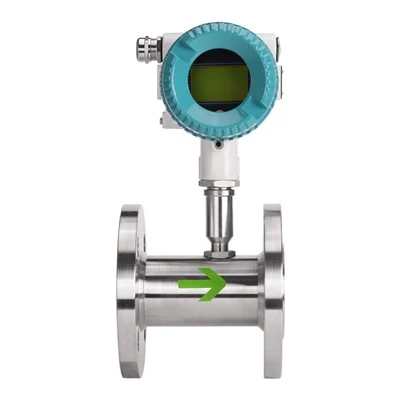
First, start with the basics: confirm the issue and rule out the simplest causes. This sounds obvious, but you’d be surprised how many technicians jump straight to replacing the transmitter before checking the power supply or wiring. A customer last year called me at 6 a.m. saying their line had stopped running, blaming a dead transmitter. When I asked them to check the voltage at the transmitter’s terminals, they found a loose wire that had worked its way off during a weekend machine clean. Rigid melt pressure transmitters run on a specific DC voltage—usually 12 to 24 V DC—so grab a multimeter and verify that you’re within that range. If it’s too low, you might have a faulty power supply or a voltage drop from undersized wiring run over a long distance. Too high, and you could be overloading the transmitter, which will cause erratic readings or permanent damage.
Next, check the physical installation and process conditions. Rigid melt pressure transmitters are designed to handle high temperatures, corrosive materials, and mechanical vibration, but they’re not indestructible. If your readings are erratic or jump around randomly, the first thing to check is the process connection. For example, if the transmitter is mounted flush to the barrel, a build-up of hardened melt or polymer residue between the diaphragm and the barrel face can act as a barrier, giving a false low-pressure reading. I had a customer processing polycarbonate who was seeing readings 10% lower than actual for weeks; it turned out they’d skipped cleaning the barrel port during a routine maintenance stop, and a thin layer of carbonized polycarbonate was insulating the diaphragm from the molten material. Also, check for mechanical damage: if the transmitter was hit with a tool during installation, or if the machine’s barrel expanded and compressed the housing, that can warp the diaphragm or break internal components. Vibration is another big one—if the transmitter isn’t properly bolted to the barrel or die, constant machine vibration can loosen internal connections over time, leading to intermittent readings. If you’re seeing zero pressure readings when you know the process is running, a common culprit is a blocked pressure port. Molten material can cool and solidify in the port, creating a plug that the diaphragm can’t sense. We always recommend using a pressure port brush or a hot air gun to clear a blockage if that’s the case.
Once you’ve ruled out the external basics, move on to testing the transmitter itself off the machine, if possible. This is where having a spare calibration tool or access to a pressure test bench makes a huge difference. First, disconnect the wiring from the transmitter and power it on in a safe location—never test a live transmitter installed on a hot barrel, as you risk burns or damaging the unit. Apply a known, controlled pressure to the transmitter’s pressure port using a pressure calibrator (these are standard tools in most maintenance departments now, but if you don’t have one, many calibration labs offer a quick service). Compare the reading the transmitter outputs to the known pressure you’re applying. For a standard 4-20 mA output transmitter, for example, 0 bar should give 4 mA, and the full range (say, 1000 bar) should give 20 mA. If the output doesn’t match, that means the transmitter is faulty. Another test is to check the insulation resistance: use a multimeter set to ohms to test between the power terminals, signal terminals, and the transmitter’s body. The insulation should be at least 100 MΩ for a good unit; if it’s lower, moisture has gotten inside the housing (even IP67-rated units can develop leaks over time if seals are damaged), which will cause short circuits and incorrect readings.
If the transmitter passes the bench test, then the problem is almost certainly in the signal wiring or the receiver (like your PLC or pressure indicator). Rigid melt pressure transmitters output low-level signals, so they’re susceptible to electrical noise from other equipment in the plant—motors, heaters, variable frequency drives, even nearby welding machines. I’ve seen customers run signal wire next to high-voltage power cable, resulting in readings that jump by 50 bar at random. To test for noise, disconnect the transmitter from the receiver and use a handheld signal simulator to send a steady 12 mA signal to the receiver. If the receiver reads correctly, the problem is in the transmitter or its wiring. If it still jumps, then you know the receiver needs calibration or there’s noise getting into the input side. Another common wiring issue is loose connections at the receiver end, so double-check that the terminals are tight and that the wiring isn’t frayed. Also, make sure you’re using the right type of wire: signal wire for transmitters should be twisted and shielded, run separately from power cables to avoid interference.
Now, let’s talk about recurring issues that aren’t easy to spot. A lot of customers come back to us saying their transmitters keep failing every few months, and they can’t figure out why. The most common cause here is process contamination. Rigid melt pressure transmitters have a diaphragm that’s in direct contact with the molten material, so abrasive fillers (like glass fiber, talc, or carbon black) in the polymer can wear down the diaphragm over time, leading to drift or leaks. If your material has high filler content, you might need to switch to a transmitter with a reinforced diaphragm, like our high-abrasion model, which has a hardened alloy that resists wear. Another recurring issue is thermal shock: if the barrel is cooled too quickly during a shutdown, or if molten material at a very high temperature hits a cold transmitter diaphragm, it can cause thermal fatigue, leading to cracks in the diaphragm. To avoid this, we recommend warming the transmitter to the barrel temperature before installation, and gradually ramping down the barrel temperature during shutdowns rather than turning it off abruptly.
What if your transmitter is outputting a constant reading that’s too high or too low, with no variation? That’s usually a calibration issue, not a failure. Over time, temperature changes and mechanical stress can cause the internal electronics of the transmitter to drift, so it needs recalibration. Most modern rigid melt pressure transmitters are field-calibrable—you can use a handheld calibrator to adjust the zero and span points. For zero calibration, make sure there’s no pressure on the port, then send a calibration command to set 4 mA. For span calibration, apply the full range of pressure the transmitter is rated for, then adjust to set 20 mA. If it’s not field-calibrable, you can send it back to us for a quick factory recalibration, which usually takes 1-2 business days.
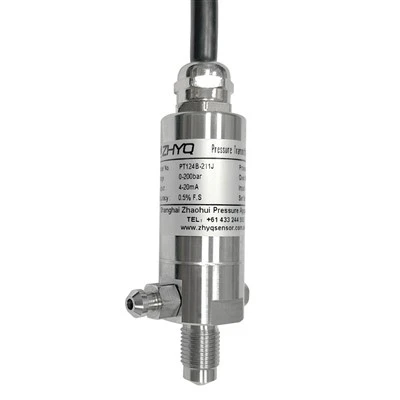
Let me walk through a real example to tie this all together. Last quarter, a customer processing 30% glass-filled nylon was having issues with their line’s pressure readings being unstable, leading to frequent shutdowns. They’d already replaced two transmitters in a month, so they called us for support. First, we had them check the wiring: they found the signal wire was run parallel to a 240 V heater cable, which was causing electrical noise. Next, we had them check the diaphragm: they pulled the old transmitter, and when we inspected it, the diaphragm had visible scratches from the glass filler. We recommended switching to our reinforced diaphragm model, and also had them re-route the signal wire away from the power cable. Since then, their downtime from pressure issues has dropped by 90%. That’s the kind of practical fix we focus on with every customer, not just selling a new sensor.
General Pressue Transmitter I know troubleshooting a rigid melt pressure transmitter can feel overwhelming, especially when production is on the line. The key is to work systematically: start with the simplest, most likely causes (power, wiring, physical installation) before moving to testing the transmitter itself. Most issues aren’t a total failure of the sensor—they’re loose wires, contaminated ports, or electrical noise. If you’ve gone through all these steps and still can’t identify the problem, or if you’re looking for a more reliable transmitter that’s built to handle tough processes, don’t hesitate to reach out. Our team specializes in rigid melt pressure transmitters designed for extrusion, compounding, and injection molding, with options for high temperature, abrasive materials, and extreme pressure ranges. We also offer calibration services and on-site support to help you keep your process running smoothly, no matter what challenges you face.
References
- Becker, P. (2020). Industrial Pressure Sensors: Selection, Installation, and Maintenance. Instrumentation Society of America.
- Hernandez, L. (2019). Troubleshooting Process Pressure Measurement Systems. Journal of Manufacturing Engineering, 18(3), 45-52.
- International Society of Automation (ISA-RP12.1). (2021). Recommended Practice for Pressure Transmitter Installation. ISA.
- Polymer Processing Association. (2022). Sensors and Control for Extrusion and Compounding. PPA Technical Report Series.
- Smith, J. (2018). Electrical Noise Mitigation in Industrial Process Control. Control Engineering Magazine, 65(7), 32-37.
Shanghai Zhaohui Pressure Apparatus Co., Ltd.
Shanghai Zhaohui Pressure Apparatus Co., Ltd. is one of the most professional rigid melt pressure transmitter manufacturers and suppliers in China, featured by quality products and good service. Please rest assured to wholesale advanced rigid melt pressure transmitter in stock here from our factory. Also, customized service and 1 year warranty are available.
Address: 2-6/F, Building 8, No.115, Lane 1276, Nanle Road, Shanghai, China
E-mail: sensorsales@zhyqsensor.com
WebSite: https://www.sinosensor.net/
