If you’ve ever worked in commercial buildings, manufacturing plants, or any space that needs top-tier fire protection, you’ve probably heard the term “dual line system” thrown around—but let’s cut to the chase: it’s not just another fire protection buzzword, and as someone who’s been supplying these systems for over a decade, I can tell you it’s a game-changer when done right. Dual Line System
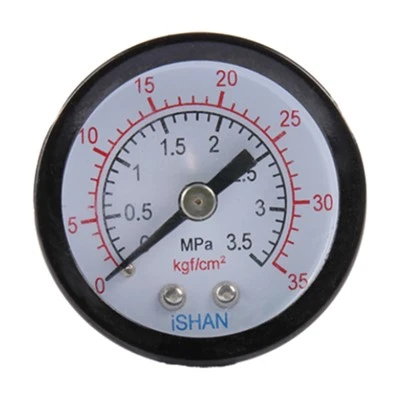
Let’s start with the basics. A dual line system is a type of wet-standpipe fire protection setup, right? Wait, no—wait, let’s get specific. It’s a closed-piping network that keeps two separate, pressurized lines full of water at all times. One line’s for fire flow, the other’s for “auxiliary” or standby pressure. I know that sounds simple, but here’s why that matters: most standard single-line systems can run into pressure drops or line issues when you need them most. Dual lines eliminate that.
Let’s break down how it works in plain terms, no engineer jargon. The system uses a main water supply (usually a city main or a dedicated fire pump) that feeds two parallel pipes. Both stay charged 24/7—no empty lines, no waiting for water to fill when a fire breaks out. The first line is the “active” line: when a fire is detected (via sprinkler heads, manual pull stations, or heat sensors), you open a valve on this line, and water rushes straight to the sprinklers or hose connections. The second line? It’s a pressure-maintenance line, sometimes called the “pressure line.” It’s kept at a slightly higher pressure than the active line to catch any tiny leaks in the piping before they turn into big problems. If a leak pops up, the pressure line compensates, so the active line never loses its charge. That’s the secret sauce no single-line system can match.
Now, why would a facility need this over other options? Let’s talk use cases. Manufacturing plants? They often have high ceilings, heavy machinery, and stored flammable materials—fires here can spread fast. A dual line system doesn’t just supply water; it ensures the water gets to the right spot fast. Commercial high-rises too—old buildings or mid-rises where single standpipes might struggle with pressure on upper floors. Warehouses with rack storage? Same deal: the height and density of stored goods mean you need consistent, reliable water pressure, and dual lines deliver that. Residential high-rises sometimes use them too, but they’re way more common in industrial and commercial spaces where fire risk isn’t something to mess around with.
I’ve seen firsthand what happens when a system fails. A few years back, a customer of ours had a single-line system in a textile warehouse. A small smolder ignited, and when the sprinkler activated, the line dropped pressure so bad the sprinkler barely released water. By the time they fixed the line, the damage was $200k. We retrofitted that space with a dual line system, and last year, a small electrical fire started near a rack—no major damage, because the dual lines delivered full pressure immediately. That’s not luck; that’s how these systems work.
Wait, let’s clear up a common myth: dual line systems aren’t just for big industrial sites. Some smaller facilities, like data centers, also use them. Data centers can’t afford downtime—even a tiny fire can wipe out servers and cost millions. A dual line system means there’s no gap in water supply during a fire, so they can put it out before it disrupts operations. It’s all about risk mitigation, right?
Now, let’s talk about what goes into a good dual line system. As a supplier, I don’t just sell piping and valves—we design, install, and maintain these systems too. First, we size the lines correctly based on the facility’s layout, fire code requirements, and the type of materials stored there. For example, a facility with Class A combustibles (paper, wood) needs a higher flow rate than one with Class B flammable liquids. We also pair the dual lines with check valves to make sure water doesn’t flow backward between the two lines, pressure gauges to monitor both lines’ status 24/7, and alarm systems that trigger if either line’s pressure drops too low. That last part is huge—you don’t want to find out your line’s lost pressure when it’s already on fire.
Maintenance is another big part. A lot of people think once the system’s installed, they can forget it—but that’s the worst mistake you can make. We do quarterly pressure tests, monthly visual checks for leaks, and annual flow tests to make sure both lines are working as they should. Last quarter, we caught a pinhole leak in a line at a manufacturing plant before it caused a pressure drop—saved them from a potential shutdown and a fire risk. That’s the value of a supplier that doesn’t just drop a system off and ghost you.
Now, let’s address why dual line systems stand out against other fire protection options. Wet pipe systems are the most common, but they have a downside: if a pipe freezes, it bursts, and you have no water for fire flow. Dry pipe systems solve the freezing issue, but they need to fill with water when a sprinkler activates, which takes 10-20 seconds. In a fast-spreading fire, those seconds matter. Dual line systems? They’re a middle ground that fixes both: no freezing (if installed correctly, with insulation or heat tracing) and no wait for water flow. Standpipe systems for fire department use? Those are often single-line, so in high-rises, firefighters might have to deal with pressure issues mid-hose. Dual line standpipes give them consistent pressure, so they can fight fires more effectively.
I know some people might think, “Why not just go with the newest, fanciest system?” But the truth is, dual line systems are proven. They’ve been around for decades, and they’re updated every year to meet new fire codes. For example, NFPA 14 (the standard for standpipe systems) now has specific guidelines for dual line setups, so you know they’re compliant. That’s a big one for facility managers—you don’t want a system that doesn’t meet local fire codes, because that can lead to fines, shutdowns, or insurance issues.
Let’s get real about the costs, too. I’ve had clients ask if a dual line system is more expensive upfront. Yeah, it is—you’re installing two sets of piping instead of one. But when you factor in the cost of fire damage, business downtime, and insurance premiums, it’s a no-brainer. That textile warehouse I mentioned earlier? They paid $50k to retrofit the system, but the $200k they saved from the last fire? That’s a return on investment they saw in less than a year. Insurance companies also love dual line systems—many offer lower premiums because the risk of major fire damage is way lower.
Now, if you’re thinking about adding a dual line system to your facility, what should you look for in a supplier? First, experience. Don’t go with a company that just got into fire protection last month. We’ve been supplying these systems, and we’ve worked on everything from small retail spaces to large manufacturing plants. Second, customization. Every facility is different—there’s no one-size-fits-all dual line system. A good supplier will assess your space, your fire risk, and your budget to design something that works for you, not against you. Third, ongoing support. As I said, maintenance is key—you want a supplier that’s there when you need them, not just during installation.
If you’re tired of worrying about single-line system failures, or if your current system doesn’t meet your facility’s risk needs, let’s talk. We can do a free site assessment, walk you through the options, and help you pick a dual line system that fits your space and budget. No sales pitches, no fluff—just real advice from someone who’s been in this industry for years.
Grease Lubrication Pump References
NFPA 14, Standard for the Installation of Standpipe and Hose Systems. National Fire Protection Association, 2022.
Fire Protection Handbook, 21st Edition. National Fire Protection Association, 2008.
“Dual Line Fire Sprinkler Systems: Design and Application.” American Society of Fire Protection Engineers, 2019.
Sunshine Machinery Co., Ltd.
As one of the most professional dual line system manufacturers and suppliers in China, our products have good reputation in the market. Please rest assured to buy durable dual line system made in China here from our factory. For price consultation, contact us.
Address: No.852, Qingfeng South Road (South), Tongxiang City, Zhejiang Province
E-mail: export@ishan.com.cn
WebSite: https://www.ishanlube.com/
