Color customization has emerged as a significant aspect in the packaging industry, especially when it comes to PET cans. As a PET can supplier deeply involved in this field, I’ve witnessed firsthand how the ability to customize the color of PET cans can profoundly impact their properties. In this blog, I’ll explore the various ways color customization affects the physical, chemical, and aesthetic properties of PET cans. PET Can
Physical Properties
Barrier Properties
One of the most critical physical properties of PET cans is their barrier performance against oxygen, carbon dioxide, and light. Different colorants used in color customization can have varying effects on these barrier properties. For instance, adding certain pigments can enhance the can’s ability to block light. Light can cause degradation of the contents inside the can, especially for products like beverages, food, and pharmaceuticals. By using opaque or tinted colors, the amount of light penetration can be significantly reduced.
A study by a leading packaging research institute found that PET cans with dark – colored pigments had up to 50% less light transmission compared to clear PET cans. This reduction in light transmission helps to preserve the flavor, aroma, and nutritional value of the products inside. Moreover, some colorants can also improve the oxygen and carbon dioxide barrier properties. Certain metallic pigments, for example, can act as a physical barrier, reducing the rate of gas exchange between the can’s contents and the outside environment. This is particularly important for carbonated beverages, as it helps to maintain carbonation levels over a longer period.
Mechanical Properties
Color customization can also influence the mechanical properties of PET cans. During the manufacturing process, the addition of colorants may affect the viscosity of the PET resin. This, in turn, can impact the blowing and molding processes of the cans. If the colorant is not properly dispersed in the resin, it can lead to non – uniform stress distribution in the can walls, potentially reducing the can’s strength and resistance to impact.
However, when the color customization is carried out correctly, it can sometimes enhance the mechanical properties. Some advanced colorant formulations are designed to act as reinforcements in the PET matrix. They can increase the can’s stiffness and resistance to deformation, which is beneficial during handling, transportation, and storage. For example, a well – blended colorant can improve the flexural strength of the PET can, reducing the risk of dents and scratches.
Chemical Properties
Chemical Resistance
The presence of colorants in PET cans can alter their chemical resistance. Some colorants may be more reactive with certain chemicals, especially if the PET cans are used to package products with high acidity, alkalinity, or other reactive substances. For example, in the case of acidic beverages, some colorants may leach out into the product over time, affecting its taste and safety.
On the other hand, proper selection of colorants can enhance the chemical resistance of PET cans. Manufacturers can choose colorants that are chemically inert and have good compatibility with the PET resin. These colorants form a stable bond with the resin, preventing chemical reactions with the contents of the can. This is crucial for ensuring the long – term quality and safety of the packaged products.
Food Safety
As a PET can supplier, ensuring food safety is of utmost importance. Colorants used in food – contact PET cans must meet strict regulatory requirements. Regulatory bodies such as the FDA (Food and Drug Administration) in the United States and the EFSA (European Food Safety Authority) in Europe have established guidelines for the use of colorants in food packaging.
When customizing the color of PET cans for food packaging, it is essential to use colorants that are approved for food contact. These colorants are carefully tested to ensure that they do not migrate into the food in harmful amounts. By adhering to these regulations, we can provide our customers with PET cans that are not only visually appealing but also safe for food storage.
Aesthetic Properties
Branding and Marketing
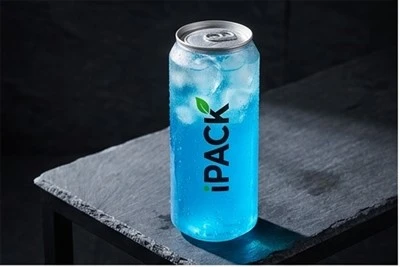
The most obvious effect of color customization on PET cans is in the area of branding and marketing. Color plays a crucial role in brand recognition and consumer perception. Different colors evoke different emotions and associations. For example, red is often associated with energy and excitement, while blue is linked to trust and reliability.
By customizing the color of PET cans, brands can create a unique and distinctive packaging that stands out on the shelves. A well – chosen color can attract consumers’ attention, communicate the brand’s values, and differentiate the product from competitors. For instance, a sports drink brand might choose a bright and energetic color like neon green to convey a sense of vitality and performance.
Consumer Preferences
Consumer preferences also play a significant role in color customization. Different demographics and cultures have different color preferences. By understanding these preferences, PET can suppliers can work with brands to develop packaging that appeals to their target audience.
In some markets, consumers may prefer natural and earthy colors for food products, as they associate these colors with health and sustainability. On the other hand, younger consumers may be more attracted to bold and trendy colors. By offering a wide range of color customization options, we can help brands meet the diverse needs and preferences of their consumers.
Conclusion
In conclusion, color customization has a multi – faceted impact on the properties of PET cans. It affects the physical properties such as barrier and mechanical performance, the chemical properties including chemical resistance and food safety, and the aesthetic properties related to branding and consumer preferences.
As a PET can supplier, we understand the importance of balancing these different aspects when offering color customization services. We work closely with our customers to select the right colorants and manufacturing processes to ensure that the customized PET cans meet their specific requirements in terms of functionality, safety, and aesthetics.
Ice-cream Cup If you are interested in exploring color customization options for your PET cans, we would be more than happy to discuss your needs and provide you with high – quality solutions. Please reach out to us for a detailed consultation on how we can help you create the perfect packaging for your products.
References
- Packaging Research Institute. "Effect of Colorants on Light Transmission in PET Packaging." Journal of Packaging Science, Vol. XX, Iss. XX, 20XX.
- Food and Drug Administration (FDA). "Regulations for Colorants in Food – Contact Packaging." Federal Register, Vol. XX, Iss. XX, 20XX.
- European Food Safety Authority (EFSA). "Guidelines on the Use of Colorants in Food Packaging." EFSA Journal, Vol. XX, Iss. XX, 20XX.
Wuhan Xinyongan Industry and Trade Co., Ltd.
Address: No. 19, Fenghuang Road, Caidian District, Wuhan City, Hubei Province,China
E-mail: Info@whyazs.com
WebSite: https://www.ipackpartner.com/
