Hey there! I’m a supplier of electronic modules, and today I wanna have a chat with you about how reliable these little gadgets are. Electronic Module
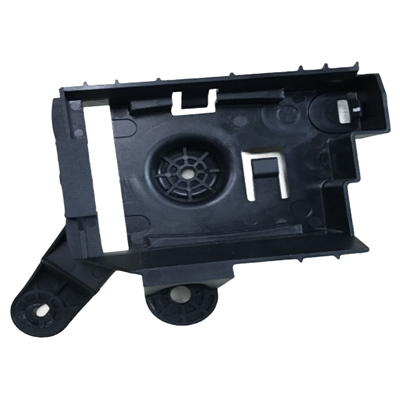
Let’s start by understanding what electronic modules are. In simple terms, they’re pre – built electronic components that come with a specific set of functions. You can think of them as building blocks for all sorts of electronic devices. From the smartphones we can’t live without to the complex industrial machinery, electronic modules play a crucial role.
Now, the big question is: how reliable are they? Well, it depends on a bunch of factors.
Manufacturing Quality
One of the most important things is the manufacturing quality. When we’re making these electronic modules, we’ve gotta pay attention to every single detail. The quality of the raw materials matters a whole lot. For example, if we use low – grade circuit boards, they might be more prone to short – circuits or overheating over time.
We also need to have strict quality control during the production process. At our place, we’ve got a team of experts who check each module at different stages of production. They make sure that all the components are correctly soldered, there are no loose connections, and the overall performance meets the standards. We use automated testing equipment as well, which can quickly detect any potential issues. But even with all these measures, there’s always a small chance of something slipping through the cracks.
Design and Engineering
The design and engineering of the electronic modules also have a huge impact on their reliability. A well – designed module takes into account things like power consumption, heat dissipation, and electromagnetic interference.
Let’s talk about power consumption first. If a module uses too much power, it can generate a lot of heat, which can damage the components over time. So, our engineers work hard to optimize the power usage of our modules. They use the latest technologies and algorithms to make sure that the modules can perform their tasks efficiently without guzzling too much energy.
Heat dissipation is another critical factor. When electronic components work, they generate heat. If this heat isn’t dissipated properly, it can cause the components to malfunction. That’s why we design our modules with heat sinks and ventilation systems. These help to keep the temperature within a safe range, ensuring the long – term reliability of the module.
Electromagnetic interference (EMI) can also mess up the performance of electronic modules. In a world full of electronic devices, there are all sorts of electromagnetic waves floating around. Our engineers use shielding techniques to protect the modules from EMI. This way, the modules can function correctly even in a noisy electromagnetic environment.
Environmental Factors
The environment in which the electronic modules operate can also affect their reliability. For instance, if a module is used in a high – humidity environment, the moisture can corrode the components. In a dusty environment, the dust can accumulate on the circuit boards and cause short – circuits.
We’ve done a lot of research on how to make our modules more resistant to different environmental conditions. We use special coatings on the circuit boards to protect them from moisture and dust. We’ve also tested our modules in different temperature and humidity ranges to make sure they can work properly under various conditions.
Testing and Certification
Before we send our electronic modules out to the market, we subject them to a series of rigorous tests. We test them for things like functionality, durability, and performance under different conditions.
For example, we do a burn – in test, where we run the modules continuously for a certain period of time to see if there are any early – stage failures. We also test them for shock and vibration resistance, because in real – world applications, the modules might be exposed to these kinds of stresses.
In addition to our in – house testing, we also get our modules certified by independent third – party organizations. These certifications are a sign that our modules meet the international standards for reliability and safety.
Real – World Applications
Let’s take a look at some real – world applications to see how reliable our electronic modules are. In the automotive industry, electronic modules are used for things like engine control, safety systems, and entertainment systems. These modules need to be extremely reliable because they’re responsible for the safety and performance of the vehicle.
Our modules have been used in many automotive applications, and we’ve received positive feedback from our customers. They’ve reported that our modules have a low failure rate and can withstand the harsh conditions inside a car, such as high temperatures and vibrations.
In the medical field, electronic modules are used in devices like heart monitors, ultrasound machines, and infusion pumps. These devices are used to save lives, so the reliability of the electronic modules is of utmost importance. We’ve worked hard to ensure that our modules meet the strict requirements of the medical industry. We’ve implemented redundant systems and fail – safe mechanisms to make sure that the medical devices can continue to function even if there’s a minor problem with the module.
Customer Support and Warranty
Even though we do our best to make our electronic modules as reliable as possible, there’s always a chance that something might go wrong. That’s why we offer excellent customer support. If our customers have any problems with our modules, they can reach out to us, and our team of experts will do their best to help them solve the issue.
We also offer a warranty on our electronic modules. This gives our customers peace of mind knowing that if the module fails within the warranty period, we’ll either repair it or replace it for free.
Conclusion

So, how reliable are electronic modules? Well, as a supplier, I can say that with the right manufacturing processes, design considerations, and testing procedures, we can make electronic modules that are very reliable. However, it’s important to remember that no product is 100% perfect. There’s always a small risk of failure, but we’re doing everything we can to minimize that risk.
Plastic Gear If you’re in the market for high – quality, reliable electronic modules, I’d love to have a chat with you. Whether you’re working on a small DIY project or a large – scale industrial application, we’ve got the right modules for you. Just get in touch with us, and we can start discussing your specific needs. Let’s work together to bring your electronic projects to life!
References
- "Electronics Manufacturing Handbook" by David C. Dobkin
- "Reliability Engineering and Management" by R. K. Bansal
- "Design for Reliability" by Robert B. Pecht
Ningbo Xinyu Automotive Electronics Co., Ltd.
Address: Zhujiadu Village, Sanqizhen, Yuyao City, Zhejiang Province
E-mail: xyautoelec@163.com
WebSite: https://www.xyautoelec.com/
