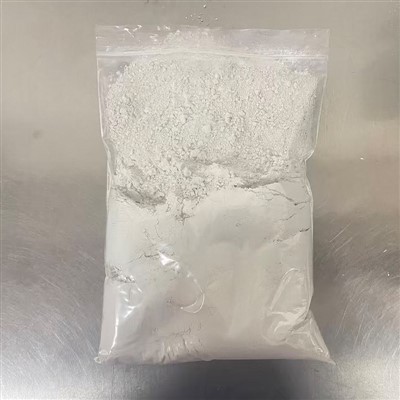
Synthetic alkali powder, a versatile and powerful tool in soil improvement, has been gaining significant attention in the agricultural and environmental sectors. As a supplier of synthetic alkali powder, I have witnessed firsthand the numerous benefits it offers in enhancing soil quality and promoting plant growth. In this blog post, I will delve into the various uses of synthetic alkali powder in soil improvement, exploring its mechanisms, advantages, and real-world applications. Synthetic Alkali Powder
Understanding Synthetic Alkali Powder
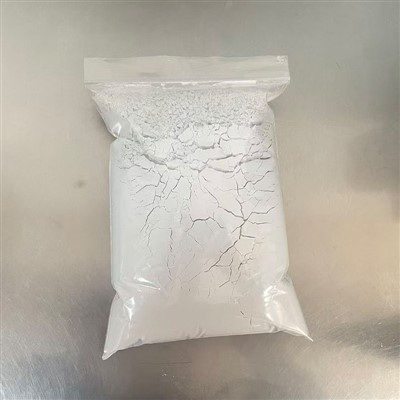
Synthetic alkali powder is a manufactured product composed of various alkaline compounds, such as calcium carbonate, magnesium oxide, and potassium hydroxide. These compounds are carefully formulated to provide a balanced source of alkalinity, which can help to neutralize acidic soils and improve soil structure. The powder is typically fine-grained and easy to apply, making it a convenient option for farmers, gardeners, and land managers.
pH Adjustment
One of the primary uses of synthetic alkali powder in soil improvement is pH adjustment. Many soils around the world are naturally acidic, which can limit the availability of essential nutrients to plants. Acidic soils can also lead to the accumulation of toxic metals, such as aluminum and manganese, which can harm plant roots and reduce crop yields. By adding synthetic alkali powder to acidic soils, the alkalinity of the powder helps to neutralize the acidity and raise the soil pH to a more optimal range for plant growth.
The optimal pH range for most plants is between 6.0 and 7.5. When the soil pH is within this range, nutrients such as nitrogen, phosphorus, and potassium are more readily available to plants, and the soil structure is improved. Synthetic alkali powder can be applied to the soil either before planting or as a top dressing during the growing season. The amount of powder required will depend on the initial soil pH, the type of plants being grown, and the desired pH level.
Nutrient Availability
In addition to pH adjustment, synthetic alkali powder can also improve nutrient availability in the soil. As the powder neutralizes the acidity of the soil, it helps to release nutrients that were previously bound up in the soil particles. This can lead to increased uptake of nutrients by plants, resulting in improved growth and yields.
For example, calcium is an essential nutrient for plant growth, and it plays a crucial role in cell wall development, root growth, and nutrient uptake. Synthetic alkali powder contains calcium carbonate, which can provide a source of calcium to the soil. By increasing the availability of calcium in the soil, synthetic alkali powder can help to improve plant health and productivity.
Soil Structure Improvement
Another important use of synthetic alkali powder in soil improvement is soil structure improvement. Acidic soils tend to be compacted and have poor drainage, which can limit root growth and water infiltration. Synthetic alkali powder can help to break up compacted soil and improve soil structure by increasing the aggregation of soil particles.
When synthetic alkali powder is added to the soil, it reacts with the soil particles to form calcium carbonate and other alkaline compounds. These compounds act as cementing agents, binding the soil particles together and creating a more porous and well-structured soil. This improved soil structure allows for better root growth, water infiltration, and air circulation, which are essential for healthy plant growth.
Remediation of Contaminated Soils
Synthetic alkali powder can also be used in the remediation of contaminated soils. Many industrial and agricultural activities have led to the contamination of soils with heavy metals, such as lead, cadmium, and mercury. These heavy metals can be toxic to plants and animals, and they can also pose a risk to human health.
Synthetic alkali powder can help to immobilize heavy metals in the soil by binding them to the soil particles and reducing their solubility. This can prevent the heavy metals from leaching into the groundwater and being taken up by plants. In addition, the alkalinity of the powder can help to neutralize the acidity of the soil, which can further reduce the mobility of heavy metals.
Real-World Applications
The uses of synthetic alkali powder in soil improvement are not limited to theory. In fact, synthetic alkali powder has been successfully used in a variety of real-world applications, including agriculture, horticulture, and environmental remediation.
In agriculture, synthetic alkali powder is commonly used to improve soil quality and increase crop yields. Farmers can apply the powder to their fields either before planting or as a top dressing during the growing season. By improving the soil pH, nutrient availability, and soil structure, synthetic alkali powder can help to produce healthier and more productive crops.
In horticulture, synthetic alkali powder is used to improve the soil quality in gardens and nurseries. Gardeners can add the powder to their soil to adjust the pH and improve the growth of their plants. Synthetic alkali powder can also be used to remediate contaminated soils in urban areas, where heavy metals and other pollutants can accumulate.
In environmental remediation, synthetic alkali powder is used to treat contaminated soils and water. The powder can be added to the soil or water to immobilize heavy metals and other pollutants, reducing their toxicity and preventing them from leaching into the environment.
Conclusion
Calcium Carbonate Powder In conclusion, synthetic alkali powder is a versatile and powerful tool in soil improvement. Its ability to adjust soil pH, improve nutrient availability, enhance soil structure, and remediate contaminated soils makes it an essential product for farmers, gardeners, and land managers. As a supplier of synthetic alkali powder, I am committed to providing high-quality products and excellent customer service. If you are interested in using synthetic alkali powder in your soil improvement projects, I encourage you to contact me to discuss your specific needs and requirements.
References
- Brady, N. C., & Weil, R. R. (2008). The nature and properties of soils. Pearson Prentice Hall.
- Mengel, K., & Kirkby, E. A. (2001). Principles of plant nutrition. Kluwer Academic Publishers.
- Sparks, D. L. (2003). Environmental soil chemistry. Academic Press.
Chaohu Jirun Energy Conservation and Environmental Protection Technology Co., Ltd.
We’re well-known as one of the leading synthetic alkali powder manufacturers and suppliers in China, also support customized service. Welcome to wholesale high quality synthetic alkali powder in stock here from our factory. If you have any enquiry about pricelist, please feel free to email us.
Address: No. 9, north of the intersection of Weihai Road and Weili Avenue, within the industrial park of Yinping Town, Chaohu City, Hefei City, Anhui Province.
E-mail: 13305654485@163.com
WebSite: https://www.chaohujirun.com/
