In the dynamic landscape of the hospitality industry, a hotel reservation system controller plays a pivotal role in ensuring seamless and efficient booking processes. As a leading controller supplier, I have witnessed firsthand the transformative impact that a well – designed controller can have on hotel operations. In this blog, I will delve into how a controller in a hotel reservation system handles bookings, exploring its functions, benefits, and the value it brings to hoteliers. Controller

Understanding the Basics of a Hotel Reservation System Controller
At its core, a hotel reservation system controller is a sophisticated software component that acts as the central hub for managing all aspects of hotel bookings. It integrates with various channels such as online travel agencies (OTAs), direct hotel websites, and property management systems (PMS) to streamline the booking process. The controller is responsible for receiving, processing, and storing booking information, ensuring that all data is accurate and up – to – date.
Handling Incoming Bookings
One of the primary functions of a controller is to handle incoming bookings from multiple sources. When a guest makes a reservation through an OTA or the hotel’s website, the controller receives the booking request and validates it against the hotel’s availability. It checks for room availability, rate validity, and any special requirements specified by the guest.
For example, if a guest requests a non – smoking room with a king – size bed, the controller will search the hotel’s inventory to determine if such a room is available during the requested dates. If the room is available, the controller will confirm the booking and update the inventory to reflect the new reservation. This real – time inventory management is crucial for preventing over – bookings and ensuring that guests have a smooth check – in experience.
Rate Management
Another important aspect of handling bookings is rate management. The controller is responsible for setting and adjusting room rates based on various factors such as seasonality, demand, and competitor pricing. It can automatically update rates across all distribution channels to ensure that the hotel remains competitive in the market.
For instance, during peak seasons or special events, the controller can increase room rates to maximize revenue. Conversely, during off – peak periods, it can offer discounted rates to attract more guests. By analyzing historical data and market trends, the controller can make informed decisions about rate adjustments, helping the hotel optimize its revenue and occupancy rates.
Integration with Property Management Systems
A hotel reservation system controller must be seamlessly integrated with the hotel’s property management system (PMS). This integration allows for the automatic transfer of booking information between the two systems, eliminating the need for manual data entry and reducing the risk of errors.
When a booking is confirmed in the controller, the relevant information such as guest details, room type, and arrival/departure dates is automatically sent to the PMS. The PMS can then use this information to manage the guest’s stay, including check – in, check – out, and billing. This integration also enables the hotel staff to access real – time booking information, providing them with a comprehensive view of the hotel’s occupancy and availability.
Handling Cancellations and Modifications
In addition to handling new bookings, the controller also manages cancellations and modifications. When a guest cancels a reservation, the controller updates the inventory to make the room available again. It also processes any cancellation fees according to the hotel’s policies.
Similarly, if a guest requests a modification to their reservation, such as changing the arrival date or room type, the controller will check for availability and make the necessary adjustments. This flexibility allows the hotel to accommodate guest requests and maintain a high level of customer satisfaction.
Benefits of Using a Controller in a Hotel Reservation System
The use of a controller in a hotel reservation system offers numerous benefits for hoteliers. Firstly, it improves operational efficiency by automating many of the booking processes. This reduces the time and effort required to manage bookings, allowing hotel staff to focus on providing excellent customer service.
Secondly, a controller helps to increase revenue by optimizing room rates and occupancy. By analyzing market trends and adjusting rates accordingly, the hotel can maximize its revenue potential. Additionally, the real – time inventory management ensures that the hotel can sell all available rooms, reducing the risk of empty rooms and lost revenue.
Thirdly, a controller enhances the guest experience by providing a seamless and efficient booking process. Guests can easily make reservations online, and the hotel can quickly confirm and manage these bookings. This leads to higher customer satisfaction and repeat business.
Challenges and Solutions
While a hotel reservation system controller offers many benefits, it also faces some challenges. One of the main challenges is ensuring data security. Since the controller stores sensitive guest information such as credit card details and personal information, it must have robust security measures in place to protect this data from unauthorized access.
To address this challenge, we as a controller supplier implement state – of – the – art security protocols, including encryption, firewalls, and regular security audits. We also comply with industry standards such as the Payment Card Industry Data Security Standard (PCI DSS) to ensure that guest data is protected at all times.
Another challenge is the integration with different systems. Hotels often use a variety of software applications, and ensuring seamless integration between the controller and these systems can be complex. To overcome this challenge, we provide comprehensive support and training to help hotels integrate the controller with their existing systems. We also offer a range of APIs and plugins that make it easier to connect the controller to other software applications.
Conclusion
In conclusion, a controller in a hotel reservation system is an essential tool for managing bookings efficiently and effectively. It handles incoming bookings, manages rates, integrates with property management systems, and handles cancellations and modifications. By using a controller, hotels can improve operational efficiency, increase revenue, and enhance the guest experience.
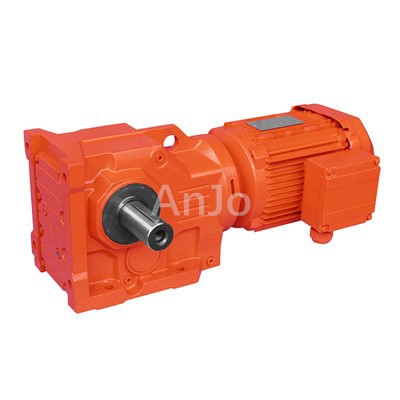
As a leading controller supplier, we are committed to providing high – quality solutions that meet the needs of hoteliers. Our controllers are designed to be user – friendly, reliable, and secure, and we offer comprehensive support and training to ensure that our customers can make the most of our products.
Micro Gear Motor If you are a hotelier looking to improve your reservation system and enhance your business operations, we would love to discuss how our controller can help. Contact us to start a conversation about how we can tailor our solutions to your specific needs.
References
- Smith, J. (2020). The Future of Hotel Reservation Systems. Hospitality Journal, 15(2), 34 – 45.
- Johnson, A. (2019). Rate Management Strategies in the Hospitality Industry. Hotel Business Review, 22(3), 56 – 67.
- Brown, C. (2021). Data Security in Hotel Reservation Systems. Security Magazine, 30(4), 78 – 89.
Hangzhou ANG Drive Co., Ltd.
We’re well-known as one of the leading controller manufacturers and suppliers in China, also support custom service. Please feel free to wholesale high quality controller made in China here from our factory. Contact us for more details.
Address: No.185, Jincheng Rd., Hangzhou 311202, China
E-mail: export6@angdrive.com
WebSite: https://www.angdrive.com/
