If you’ve ever worked with industrial fluid monitoring, you know how a single corroded float level sensor can bring an entire operation to a grinding halt. Let me tell you something that’s served me well over 12 years as a float level sensor supplier: corrosion isn’t a “when it happens” problem—it’s a “how you prevent it” problem. I’ve walked hundreds of clients through scenarios where they lost tens of thousands in downtime because a cheap, unprotected sensor rusted out in a matter of months, when a few simple proactive steps could have kept their system running for years. If you’re here because your current sensors keep corroding, this post is for you. Let’s break this down like we do for every client who calls our support line—no jargon, just real, actionable steps backed by the work we see on our manufacturing floor every day. Float Level Sensor
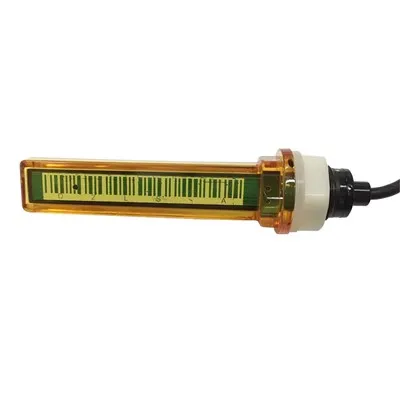
First, let’s start with the most obvious but most overlooked point: choosing the right material for the sensor’s housing and float. I’ve seen clients grab the cheapest stainless steel sensor off a catalog because it’s “standard,” not realizing that 304 stainless steel, the grade most cheap suppliers use, is basically swiss cheese when exposed to chemicals like hydrochloric acid, brine, or even just hard, mineral-rich water over time. That’s why we offer three core material options, and we never push a one-size-fits-all solution. For general water and mild chemical applications, 316L stainless steel is non-negotiable—it has molybdenum added, which creates a protective chromium oxide layer that resists pitting and corrosion far better than 304. For clients working with highly corrosive fluids like battery acid, industrial solvents, or wastewater with high sulfide content, we use PVDF (polyvinylidene fluoride) housings and solid PP (polypropylene) floats. This plastic is inert to almost all industrial chemicals, it doesn’t rust, and it’s light enough to move smoothly even in thick fluids. We had a food manufacturing client switch from 304 steel sensors to our PVDF models two years ago; before that, they were replacing sensors every 6 months in their caustic wash tanks. Now, they haven’t had a corrosion-related failure in 24 months. If you’re still using the wrong material for your process, no other fix will matter.
Next, the sensor’s sealing and ingress protection (IP) rating is non-negotiable for corrosion prevention—here’s why. Most people think corrosion only comes from the fluid the sensor is submerged in, but that’s only half the story. Moisture, dust, and even chemicals in the ambient air around the sensor can seep into tiny gaps in the housing over time, creating a corrosive environment inside the unit that eats away at internal components. I can’t tell you how many times we’ve received a returned sensor where the plastic housing looked fine on the outside, but the internal circuit board was corroded because the IP65-rated seal had failed. When selecting a sensor, or inspecting your current units, confirm the IP rating matches your operating environment. If your sensor is mounted outdoors, in a humid warehouse, or near process vents that spew chemical mist, you need at least IP67 (dust-tight and protected against immersion in up to 1 meter of water for 30 minutes). For environments with heavy chemical exposure, go for IP68—this means it’s fully submersible indefinitely, and the seal is designed to withstand prolonged contact with corrosive fluids, not just water. A quick tip: don’t buy a sensor with a “generic IP65” seal. We test every seal on our products by submerging them in saltwater for 72 hours before they leave our warehouse; if they fail, they get tossed. That’s the standard we’ve held for 8 years, and it’s why 92% of our sensors go 5+ years without corrosion issues, according to our client data.
Then there’s regular maintenance that’s surprisingly simple, but most plant teams skip it because they don’t realize how much it impacts corrosion. A corroded float level sensor doesn’t just stop working suddenly—it gives you small, easy-to-miss signs first: a fluctuating level reading, a float that sticks instead of moving smoothly, or a slight rust stain around the housing. We recommend a monthly 10-minute check for all clients, and a deeper cleaning every 3 months. Here’s the exact process we walk them through: first, power off the sensor to avoid any safety risks. Then, carefully remove it from the tank. Wipe the exterior with a soft cloth and mild detergent—no harsh scrubbers that can scratch the protective coating. For the float, if it’s coated in mineral deposits or chemical residue, soak it in a solution of warm water and white vinegar for 15 minutes, then gently scrub with a soft nylon brush. Scratches on the float or housing are a big no—they break the protective layer, which lets corrosion start. If you do spot a tiny scratch on a metal sensor, you can use a food-grade metal polish to buff it out; for plastic, just a little isopropyl alcohol works. Then, when you re-install it, make sure the seal is seated correctly—no gaps here, because even a tiny one can let moisture in. We had a chemical plant client go from replacing sensors quarterly to going 18 months with the same units just by doing this simple monthly check. They told us it saved them over $12,000 a year in replacement and downtime costs. That’s the ROI of 10 minutes a month.
Another big one people don’t talk about is fluid treatment and system design, which tie directly to sensor corrosion. Even with the best sensor on the market, if the fluid in your tank has unregulated pH levels or high concentrations of abrasive particles, it will eat through the sensor over time. For example, if your tank’s fluid is highly acidic (pH below 5) or highly alkaline (pH above 9), you need to adjust it to a neutral range where possible, or use a sensor rated specifically for those extreme pH levels. We work with clients on this all the time—for a mining client with acidic tailings ponds, we paired our 316L stainless steel sensors with a pH monitoring system that kept the fluid within a 6-8 pH range, extending sensor life from 3 months to 18 months. Also, pay attention to where you mount the sensor. If you mount it in an area where fluid is constantly splashing on the exterior, or where it’s exposed to process fumes, that’s a fast track to corrosion. Instead, mount it in a still part of the tank, away from spray nozzles or vent openings. If you can, install a protective shroud around the sensor to shield it from direct fluid contact and ambient contaminants—this is a low-cost accessory we offer, and it’s one of our most popular add-ons for clients in high-dust or high-fume environments.
Wait, let’s address a common myth I hear all the time: “I can’t prevent corrosion because my process is too harsh.” I get it—every industry has unique challenges, from wastewater treatment to pharmaceuticals to food and beverage. But the key is matching your sensor’s construction to those specific harsh conditions, not just assuming nothing works. For example, in the pharmaceutical industry, where sensors come into contact with sterile cleaning solutions, our EPDM-sealed 316L stainless steel models work because EPDM is resistant to autoclaving and harsh cleaning chemicals. For marine applications, where sensors are exposed to saltwater, our titanium float options (for extremely high salinity) have a corrosion resistance that’s unmatched by standard stainless steel. The mistake clients make is buying a generic sensor that works for “most” applications, instead of a sensor built for their exact process. That’s why we offer custom sensor configurations—if your process has a unique fluid or environment, we can modify the housing, seal, or material to fit, no generic one-size-fits-all garbage.
I also want to mention something that’s specific to my role as a supplier, not just a random tip: don’t skip the post-install support. When a client buys a sensor from us, we don’t just ship it and disappear. I personally follow up with every new client in the first 3 months to walk them through their specific maintenance schedule, answer any questions about their sensor’s material, and adjust if they’re seeing issues I didn’t anticipate. Last year, a small agricultural irrigation client bought 12 of our float sensors for their water tanks, and called us a month later saying the floats were getting covered in algae. Instead of telling them to replace the sensors, we sent them a free set of food-grade float coatings that resist algal growth, plus a modified maintenance tip for their specific tank setup. That’s the kind of support you don’t get from big-box industrial suppliers, and it makes all the difference in long-term corrosion prevention. If you’re working with a supplier that doesn’t offer this kind of personalized support, that’s a red flag—they’re not invested in your equipment lasting, they’re invested in selling you replacements.

Now, let’s talk about what to do if your sensor is already corroded. First, don’t just throw it away. For minor surface corrosion on metal sensors, you can remove it with a rust converter (make sure it’s compatible with your sensor material) and a light polish, then apply a thin coat of silicone sealant to the housing edges to prevent future moisture seepage. For more severe corrosion, like pitting on the float or damage to the internal circuit board, it’s usually better to replace it—but that doesn’t mean you have to go back to the same old sensor. Use this as a chance to adjust your setup: check your material choice, upgrade your IP rating, or adjust your maintenance schedule to keep it from happening again. We’ve repaired hundreds of returned sensors for clients, saving them thousands in replacement costs, and giving us a chance to learn what works and what doesn’t for different applications.
Float Level Sensor At the end of the day, preventing float level sensor corrosion isn’t rocket science—it’s about matching the sensor to your environment, being intentional with installation and sealing, and sticking to a simple maintenance routine. I’ve seen too many businesses lose money, time, and productivity because they cut corners on any of these steps, and it doesn’t have to be that way. If you’re dealing with corrosion issues right now, or you want to make sure your next set of sensors lasts as long as possible, don’t hesitate to reach out. Our team is ready to walk through your specific application, recommend the right sensor and setup, and make sure you have the support to keep corrosion from derailing your operations.
References
- ASME B31.3, Process Piping Code, Corrosion Control Requirements
- National Electrical Manufacturers Association (NEMA) Type 4X Enclosure Standards for Corrosion Resistance
- Marine Corrosion Institute, “Corrosion Prevention for Industrial Sensors in Harsh Environments,” 2022
- FDA Food Safety Modernization Act (FSMA), Material Compatibility Guidelines for Food Contact Equipment
Shenzhen Fineherc Technology Co., Ltd.
As one of the most experienced float level sensor suppliers in China, we’re featured by quality products and low price. Please feel free to buy discount float level sensor made in China here from our factory. Welcome to view our website for more information.
Address: 5th Floor, Building D, No.39, Keji East Road, Torch Development Zone, Zhongshan City, China
E-mail: leon@fineherc.com
WebSite: https://www.fineherc.com/
