If you’ve ever opened a bag of your favorite coffee beans (or that fancy granola you splurged on) only to find it smells like old cardboard instead of fresh, you’ve run into aroma loss. As a stand up pouch supplier, this is one of the most common headaches I hear from brands—they spend months crafting the perfect product, nailing the flavor profile, and then the packaging ruins it before it even hits the shelf. But here’s the thing: it’s not just about picking any stand up pouch. There’s actual science behind why aroma escapes (or stays locked in), and knowing what barriers to look for makes all the difference. Stand Up Pouch
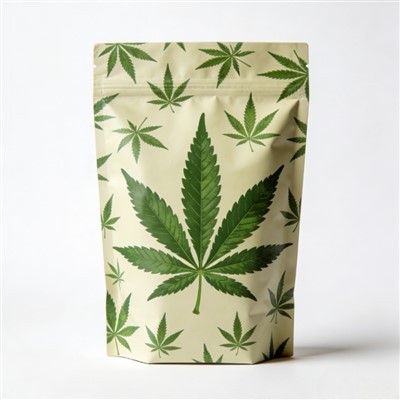
First, let’s break down why aroma loss happens in the first place. Aromas are tiny, volatile compounds—think the fruity notes in a craft tea, the nutty oils in protein powder, or the rich, roasty molecules in coffee. These little guys are super good at moving through materials, especially when the packaging isn’t built to hold them. The two main ways they escape are: diffusion through the pouch material, and seepage through tiny pinholes or gaps in the seal. Over time, even small amounts of diffusion add up, and by the time a product sits on a store shelf for 6 months, most of that signature smell is gone. That’s a problem because aroma isn’t just about how something smells—it’s 80% of what we perceive as taste. If your product loses its aroma, customers won’t come back, no matter how great it is on paper.
Now, let’s get into the real barriers. Not all stand up pouch materials are created equal. The ones you see for snack chips? Those are thin, usually just a layer of plastic, and they’re terrible at blocking aroma. I’ve had a client come to me a few months back—they sold artisanal matcha—and their old thin plastic pouches were letting all the grassy, umami aroma escape within a month. They were seeing 20% more returns because people said the matcha “tasted flat” compared to what they’d sampled in store. That’s when we switched them to a multi-layer structure, and their return rate dropped to less than 3%. Let’s talk about the key layers that make up a good aroma barrier.
The first big one is EVOH, or Ethylene Vinyl Alcohol. This stuff is the MVP when it comes to blocking gases and volatile compounds. It’s a copolymer (a fancy word for a mix of two polymers) that’s way better than regular plastic at stopping aroma molecules from moving through. The catch with EVOH, though, is that it’s hygroscopic—it absorbs moisture. So if you just use a plain EVOH layer, it will get wet over time, and its barrier properties plummet. That’s why we don’t use EVOH alone; we pair it with other layers. For example, we’ll put EVOH between a layer of food-safe polyethylene (PE) on the inside, which seals the pouch and keeps moisture out, and a layer of polyester (PET) on the outside, which adds strength and protects against scratches. That sandwich structure locks the EVOH in, keeps it dry, and gives you the best of all worlds: flexibility, strength, and amazing aroma protection.
Another barrier material is aluminum foil. Yeah, the shiny metal layer you see in some food packaging. Aluminum is a total barrier—nothing (gas, aroma, light, moisture) gets through it. For products that are extra sensitive, like specialty coffee or high-end essential oil infused snacks, aluminum is a game-changer. But here’s the downside: aluminum adds a bit of cost, and if you’re going for a “natural” or “plastic-free” vibe, it’s not the first pick. That said, for brands that don’t mind the extra protection, aluminum-laminated stand up pouches are unbeatable. I worked with a cold brew coffee brand a while ago that used to ship bulk coffee in plastic drums and lose 15% of the aroma during transit. Switched to our aluminum foil-lined stand up pouches, and that number dropped to less than 1%—they even got a few reviews saying the coffee smelled exactly like it was brewed that morning.
Wait, but what about the seal? A lot of people forget that the zipper or the top seal is another huge spot where aroma can escape. Even if your pouch material is top-tier, a bad seal with tiny gaps will let every aroma molecule seep out. That’s why we use what’s called hermetic sealing for all our stand up pouches—this means the heat seal is airtight, no gaps, no tiny holes that aroma can slip through. We also test every batch of seals: before a pouch leaves our facility, we do a burst test (putting air pressure inside the pouch to make sure it doesn’t rupture at the seal) and a leak test (submerging the pouch in water to check for bubbles). For products that need re-sealability, like protein powder or trail mix, our zippers are also designed to create a tight second seal—no more loose zippers that let air in and aroma out after the first opening.
Light is another hidden barrier factor, especially for products that rely on aroma. A lot of aroma compounds break down when exposed to UV light, which is why you see dark, opaque packaging for beer and coffee. If your stand up pouch is clear, even if the material blocks some aroma, UV light will ruin the aroma over time. That’s why we offer opaque options—either the aluminum layer we talked about, or a tinted PET layer that blocks UV rays. For craft beer, for example, we use black opaque stand up pouches that block 99% of UV light, so the hoppy aroma stays intact even after 3 months on a shelf. We had a craft brewer client who switched from clear bottles to our opaque stand up pouches, and their repeat purchase rate went up 18% because customers said the beer smelled “fresh” instead of “skunky” (a common problem with clear packaging).
Let’s also talk about what to avoid if you’re worried about aroma loss. Single-layer plastic pouches—you know, the thin ones you get for candy or chips—are basically aroma sieves. They’re cheap, but they don’t have any barrier layers, so volatile compounds move through them super easily. Another thing to watch out for is “partial barrier” materials—some suppliers will claim their pouches have good aroma protection, but they only use a thin EVOH layer that starts to degrade after a few months. Or they’ll use a material that’s good against oxygen but not against aroma—those are different things! Oxygen and aroma molecules are different sizes, so a material that blocks oxygen might not block aroma, and vice versa. That’s a common mistake brands make when choosing a supplier. They just ask for an oxygen barrier, and end up with a pouch that lets all their product’s aroma escape.
I should mention a case where a client learned this the hard way. A few years back, a spice brand came to me saying their new line of turmeric powder was losing its aroma way faster than expected. They’d gone with a supplier who told them the pouch had a good oxygen barrier, but it only used a thin PET layer and no EVOH. Turmeric’s main aroma compound is curcumin, which is super volatile. So the thin PET let the curcumin escape through the walls of the pouch, and oxygen also broke down the remaining aroma. We switched them to our EVOH-lined multi-layer pouch, and not only did the aroma last 3 times longer, the shelf life of the spice doubled. They even told us that retailers were restocking their products 2 weeks faster because the spice still smelled fresh when it hit the shelf.
Now, let’s get into how we test our own pouches for aroma barrier. We don’t just rely on what the material specs say—we actually test each batch with a gas chromatography-mass spectrometry (GC-MS) test, which measures how much of a volatile compound (like coffee’s furan or tea’s linalool) stays in the pouch after a set period. We also do sensory tests: our team of testers will smell pouches before and after storage to make sure the aroma is still strong and true to the product. For a lot of suppliers, they don’t do this kind of hands-on testing—they just go by material data sheets. That’s why a lot of brands end up with pouches that look good on paper but fail in real life. As a stand up pouch supplier, that’s the kind of attention to detail we pride ourselves on.
Another thing to consider: the product’s own properties. Some products are way more aromatic than others. For example, a bag of dry pasta doesn’t have a super strong aroma, so it can get away with a thinner, cheaper pouch. But a product like roasted coffee, matcha, or gourmet spices needs a much heavier barrier. We work with brands to customize the pouch for their specific product—no one-size-fits-all approach. For a low-aroma product, we might use a 3-layer structure (PET/PE/EVOH) that’s lightweight and cost-effective. For a high-aroma product, we’ll go with a 5-layer structure with aluminum foil, plus an opaque layer to block light. That way, you’re not paying for more barrier than you need, but you’re also not skimping on what you do need to keep your product’s aroma intact.
Wait, what about recycling? I know a lot of brands are asking about that these days, and we don’t ignore that. A few years back, I had a client who wanted to switch to recyclable stand up pouches but was worried they’d lose aroma protection. We developed a recyclable multi-layer structure that uses a new type of EVOH that’s compatible with standard recycling streams, and it has the same aroma barrier as our regular multi-layer pouches. That was a game-changer for them—they hit their sustainability goals, and their customers still got the fresh aroma they wanted. It’s a balance, but it’s totally doable. We also offer mono-material pouches now, which are even easier to recycle, and they still have great aroma protection. That’s something a lot of suppliers can’t offer, because they focus either on barrier or on sustainability. We do both.
Let me wrap this up. The barrier against aroma loss in stand up pouches isn’t just one thing—it’s a combination of the right materials (EVOH, aluminum, etc.), a tight hermetic seal, protection from light, and matching the pouch to your specific product’s needs. Too many brands skip over these details, and end up with a product that smells different than what customers sampled, leading to lost sales. As a stand up pouch supplier, that’s the problem we exist to solve. We don’t just sell pouches—we help brands make sure their product’s aroma (and taste) stays as good as it was on the day it left their warehouse.

If you’re a brand looking to fix aroma loss in your current packaging, or you’re launching a new product and want to make sure the aroma stays locked in, hit us up. We can run a free sample test for your product, walk you through the best pouch structure, and answer any questions you have. No jargon, no sales pitches—just real advice from people who’ve been in the packaging game for years. Don’t let your hard-earned aroma escape through bad packaging. Let’s figure out the right solution for you.
Coffee Bag References
- Han, J. H. (2014). Packaging for food: An overview. In Innovations in Food Packaging (pp. 3-21). Academic Press.
- Robertson, G. L. (2016). Food Packaging: Principles and Practice (4th ed.). CRC Press.
- Kilcast, D., & Subramaniam, P. (2000). The Sensory Evaluation of Food. Woodhead Publishing.
- Soroka, W. (2018). Fundamentals of Packaging Technology (4th ed.). Institute of Packaging Professionals.
Shenzhen Hongbang Packaging Production Co., Ltd.
We are one of the most experienced stand up pouch manufacturers and suppliers in China, specialized in providing high quality custom service. Please feel free to buy bulk stand up pouch made in China here from our factory. For quotation and free sample, contact us now.
Address: Room 601, BLDG D, Wisdom Centre, No. 58 Nanlian Road, Longgang, Shenzhen China 518116
E-mail: pm@hongbangpack.com
WebSite: https://www.hongbangpack.com/
