Hey there! I’m a supplier of Electronic Energy Meters, and I’ve been getting a lot of questions lately about the environmental impact of these nifty devices. So, I thought I’d take a moment to break it all down for you. Electronic Energy Meter
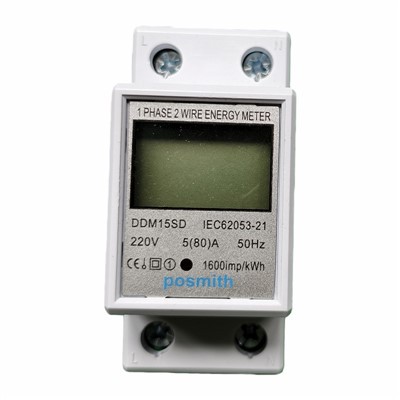
First off, let’s talk about what an Electronic Energy Meter actually is. In a nutshell, it’s a device that measures the amount of electrical energy consumed by a home, business, or industrial facility. Unlike traditional mechanical meters, which use spinning dials and gears to measure energy usage, electronic energy meters use digital technology to provide more accurate and detailed readings.
So, what’s the environmental impact of all this digital measuring? Well, there are a few things to consider.
1. Energy Efficiency
One of the biggest benefits of electronic energy meters is that they can help consumers and businesses become more energy-efficient. By providing real-time information about energy usage, these meters allow users to see exactly how much electricity they’re using and when they’re using it. This can help them identify areas where they can cut back on energy consumption, such as turning off lights and appliances when they’re not in use or upgrading to more energy-efficient equipment.
For example, let’s say you have an electronic energy meter installed in your home. You notice that your energy usage spikes every evening when you turn on your air conditioner. By adjusting your thermostat settings or using a ceiling fan to circulate the air, you can reduce your energy consumption and lower your utility bills. Over time, these small changes can add up to significant energy savings, which is good for both your wallet and the environment.
2. Reduced Waste
Another environmental benefit of electronic energy meters is that they can help reduce waste. Traditional mechanical meters require regular maintenance and calibration to ensure accurate readings, which can result in the disposal of old meters and other electronic waste. In contrast, electronic energy meters are more reliable and require less maintenance, which means they have a longer lifespan and generate less waste.
In addition, electronic energy meters can help utilities manage their energy distribution more efficiently. By providing real-time data about energy usage, these meters allow utilities to identify areas of high demand and adjust their energy production and distribution accordingly. This can help reduce the need for new power plants and transmission lines, which can have a significant environmental impact.
3. Greenhouse Gas Emissions
When it comes to greenhouse gas emissions, electronic energy meters can have both positive and negative impacts. On the one hand, by helping consumers and businesses become more energy-efficient, these meters can reduce the demand for electricity, which in turn can reduce the amount of greenhouse gases emitted by power plants. According to the U.S. Environmental Protection Agency, the electricity sector is the largest source of greenhouse gas emissions in the United States, accounting for approximately 28% of total emissions. By reducing energy consumption, electronic energy meters can play a role in mitigating climate change.
On the other hand, the production and disposal of electronic energy meters can also contribute to greenhouse gas emissions. The manufacturing process for these meters requires the use of energy and raw materials, which can result in the emission of greenhouse gases. In addition, when electronic energy meters reach the end of their lifespan, they must be disposed of properly to prevent the release of hazardous materials into the environment.
4. Smart Grid Integration
One of the most exciting developments in the field of electronic energy meters is the integration of these devices into smart grids. A smart grid is an advanced electrical grid that uses digital technology to monitor and control the flow of electricity. By integrating electronic energy meters into smart grids, utilities can collect real-time data about energy usage and adjust their energy production and distribution accordingly.
This can have a number of environmental benefits. For example, by using real-time data to balance the supply and demand of electricity, smart grids can reduce the need for fossil fuel-powered peaker plants, which are typically used to meet peak demand. In addition, smart grids can help integrate renewable energy sources, such as solar and wind power, into the electrical grid. By providing real-time data about energy production and consumption, smart grids can help utilities manage the variability of renewable energy sources and ensure a reliable supply of electricity.
5. Challenges and Considerations
While electronic energy meters have many environmental benefits, there are also some challenges and considerations to keep in mind. For example, the installation of these meters can be expensive, especially for older homes and businesses that may require significant electrical upgrades. In addition, some consumers may be concerned about the privacy and security of their energy usage data, which is collected by electronic energy meters.
To address these concerns, it’s important for utilities and suppliers to be transparent about the data collection and usage practices of electronic energy meters. In addition, utilities and suppliers should provide consumers with clear information about the benefits of these meters and how they can use the data to reduce their energy consumption and save money.
Conclusion
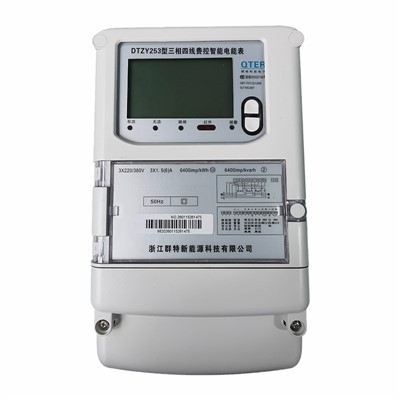
So, there you have it! The environmental impact of electronic energy meters is complex and multifaceted. On the one hand, these meters can help consumers and businesses become more energy-efficient, reduce waste, and mitigate climate change. On the other hand, the production and disposal of these meters can also contribute to greenhouse gas emissions and other environmental impacts.
DIN Rail Energy Meter As a supplier of Electronic Energy Meters, I’m committed to providing my customers with high-quality, energy-efficient products that have a minimal environmental impact. If you’re interested in learning more about our products or how they can help you reduce your energy consumption and save money, please don’t hesitate to contact me. We’d love to work with you to find the right solution for your needs.
References
- U.S. Environmental Protection Agency. (2023). Inventory of U.S. Greenhouse Gas Emissions and Sinks: 1990–2021.
- International Energy Agency. (2023). Energy Efficiency 2023.
- Smart Grid.gov. (2023). What is a Smart Grid?
Zhejiang Qunte New Energy Technology Co., Ltd.
As one of the most professional electronic energy meter manufacturers in China, we’re featured by quality products and good price. Please rest assured to buy discount electronic energy meter made in China here from our factory. We also accept customized orders.
Address: No. 56, Fengxi Road, Tang’ao Yu Village, Liushi Town, Yueqing City, Wenzhou City, Zhejiang Province
E-mail: 251951196@qq.com
WebSite: https://www.zjqtmeter.com/
