In the world of electric motors, the Permanent Magnet Propulsion (PMP) Motor stands as a technological marvel, offering exceptional efficiency and performance. As a dedicated PMP Motor supplier, I’ve witnessed firsthand the growing demand for these motors across various industries. One critical aspect that often comes under the spotlight is the Electromagnetic Compatibility (EMC) of PMP Motars. So, what exactly is the electromagnetic compatibility of a PMP Motor, and why is it so important? PMP Motor

Understanding Electromagnetic Compatibility
Electromagnetic compatibility refers to the ability of an electrical or electronic device to operate in its intended electromagnetic environment without causing unacceptable electromagnetic interference (EMI) to other devices and without being affected by the electromagnetic emissions of other devices. In simpler terms, it’s about ensuring that a PMP Motor can function properly alongside other electrical equipment without creating a "electromagnetic mess" that disrupts the normal operation of nearby devices.
The Electromagnetic Environment of PMP Motors
PMP motors are widely used in a diverse range of applications, from industrial machinery and automotive systems to consumer electronics and renewable energy generators. In these settings, they are exposed to a complex electromagnetic environment filled with various types of electromagnetic disturbances.
On one hand, PMP motors themselves generate electromagnetic emissions during operation. These emissions are primarily due to the switching of electrical currents in the motor’s windings and the interaction between the permanent magnets and the magnetic fields created by the currents. The frequency spectrum of these emissions can range from low – frequency magnetic fields associated with the motor’s power supply to high – frequency electromagnetic radiation caused by fast – switching semiconductor devices in the motor’s drive system.
On the other hand, PMP motors are also vulnerable to external electromagnetic interference. For example, in industrial environments, there may be high – power electrical equipment such as large motors, welding machines, and radio frequency transmitters that generate strong electromagnetic fields. These external fields can couple into the PMP motor’s control circuits and winding, causing malfunctions or degradation of performance.
The Importance of EMC for PMP Motors
System Reliability
In an industrial or automotive system, multiple PMP motors and other electrical components work together in harmony. If a PMP motor generates excessive electromagnetic interference, it can disrupt the normal operation of sensitive control systems, sensors, and other nearby devices. This can lead to system malfunctions, false alarms, and even complete system failures. For instance, in an automotive electric vehicle, a PMP motor with poor EMC performance may interfere with the vehicle’s advanced driver – assistance systems (ADAS), posing a serious safety risk.
Regulatory Compliance
Around the world, there are strict regulations and standards governing the electromagnetic emissions and immunity of electrical and electronic products. These regulations, such as the European Union’s EMC Directive and the Federal Communications Commission (FCC) regulations in the United States, aim to ensure a harmonious electromagnetic environment and the safe operation of electrical equipment. As a PMP Motor supplier, ensuring that our motors comply with these regulations is not only a legal requirement but also essential for market access. Non – compliant products may face penalties, recalls, and reputational damage.
Customer Satisfaction
Customers expect PMP motors to perform reliably and without causing any interference with their existing equipment. When a motor has good EMC performance, it integrates smoothly into the customer’s system, reducing the need for additional shielding or filtering measures. This results in a more cost – effective and user – friendly solution, leading to higher customer satisfaction.
Ensuring EMC in PMP Motors
As a PMP Motor supplier, we take several measures to ensure the electromagnetic compatibility of our motors.
Design Optimization
During the motor design phase, we pay close attention to the electrical and magnetic design of the motor. We carefully select the winding materials, geometry, and layout to minimize electromagnetic emissions. For example, we use low – resistance copper windings and proper winding techniques to reduce the power losses and the associated electromagnetic radiation. We also optimize the magnetic circuit design to minimize the leakage of magnetic fields outside the motor.
Filtering and Shielding
We incorporate electromagnetic interference filters into our motor drive systems. These filters are designed to suppress high – frequency emissions and prevent them from spreading into the power supply and the surrounding environment. Additionally, we use shielding materials to enclose the motor and its drive electronics. Shielding helps to contain the electromagnetic fields generated by the motor within the enclosure, reducing the risk of interference with other devices.
Testing and Validation
Before our PMP motors are released to the market, they undergo rigorous EMC testing. We use state – of – the – art testing equipment and facilities to measure the electromagnetic emissions and immunity of the motors according to international standards. This allows us to identify any potential EMC issues early in the development process and make the necessary improvements.
Case Studies: EMC in Action
Let’s take a look at a couple of real – world examples of how EMC considerations have been crucial in PMP motor applications.
Industrial Automation
In a large – scale industrial automation project, multiple PMP motors are used to drive conveyor belts, robotic arms, and other machinery. The motors are located in close proximity to each other and to other electrical control systems. By ensuring high EMC performance in our PMP motors, we were able to prevent interference between the motors and the control systems. This resulted in a smooth and reliable operation of the entire automation system, reducing downtime and maintenance costs for the customer.
Renewable Energy
In a solar power generation system, PMP motors are used in solar tracking systems to adjust the angle of the solar panels for maximum sunlight exposure. These motors are exposed to a harsh electromagnetic environment, including the high – voltage DC power supply from the solar panels and the radio frequency interference from nearby communication towers. Our PMP motors with excellent EMC characteristics were able to operate reliably in this environment, ensuring the efficient operation of the solar tracking system and maximizing the power output of the solar power plant.
Conclusion
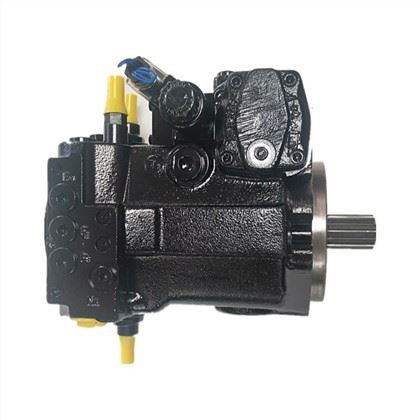
The electromagnetic compatibility of a PMP Motor is a critical factor that influences its performance, reliability, and marketability. As a PMP Motor supplier, we are committed to providing high – quality motors with excellent EMC performance. By understanding the electromagnetic environment of PMP motors, optimizing the motor design, incorporating filtering and shielding measures, and conducting thorough testing, we ensure that our motors can meet the strictest EMC requirements.
KYB Pump If you are in the market for PMP motors and are concerned about electromagnetic compatibility, we invite you to contact us for procurement discussions. Our team of experts is ready to answer your questions and provide you with the best solutions for your specific needs.
References
- IEEE Standards for Electromagnetic Compatibility.
- International Electrotechnical Commission (IEC) Publications on EMC.
- "Electromagnetic Compatibility Engineering" by Henry W. Ott.
Fujian Zhenyuan Hydraulic Equipment Co., Ltd.
Fujian Zhenyuan Hydraulic Equipment Co., Ltd. is well-known as one of the leading pmp motor manufacturers and suppliers in China. If you’re going to wholesale pmp motor in stock, welcome to get quotation from our factory. All customized products are with high quality and low price.
Address: No. 125, Wuli Industrial Zone, Jinjiang, Quanzhou City, Fujian Province
E-mail: yexun@fjzhenyuan.com
WebSite: https://www.zhenyuanhydraulic.com/
