In the dynamic landscape of product identification and tracking solutions, two prominent technologies stand out: multi-layer labels and Radio – Frequency Identification (RFID) labels. As a seasoned multi – layer labels supplier, I am often asked to shed light on the differences between these two technologies. In this blog post, I’ll delve into the unique features, advantages, and limitations of both multi – layer labels and RFID labels to help you make an informed decision for your business needs. Multi-layer Labels
1. Understanding Multi – layer Labels
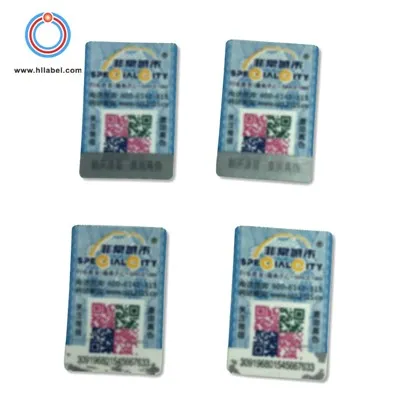
Multi – layer labels are a versatile and cost – effective solution for product identification and information management. These labels consist of multiple layers of paper or film, each with its own function. The top layer typically contains the primary information, such as product name, branding, and barcodes. Beneath the top layer, there can be additional layers that can be peeled off to reveal more detailed information, such as instructions, warranty details, or promotional offers.
One of the key advantages of multi – layer labels is their flexibility. They can be customized in terms of size, shape, color, and the number of layers. This makes them suitable for a wide range of industries, from consumer goods to pharmaceuticals. For example, in the food industry, multi – layer labels can be used to display nutritional information on the top layer and allergen details on a peel – off layer.
Another advantage is their ease of use. Multi – layer labels can be applied using standard label applicators, which are commonly available in most packaging lines. This means that there is no need for specialized equipment, making them a convenient option for businesses of all sizes.
However, multi – layer labels also have some limitations. The information on the labels is static, which means that it cannot be changed once the label is printed. This can be a drawback in situations where product information needs to be updated frequently, such as in rapidly changing markets or when there are regulatory changes.
2. Understanding RFID Labels
RFID labels, on the other hand, are a more advanced technology that uses radio waves to transmit data. An RFID label consists of an integrated circuit (IC) and an antenna, which are embedded in a label substrate. The IC stores the data, and the antenna allows the label to communicate with an RFID reader.
One of the main advantages of RFID labels is their ability to store and transmit dynamic data. Unlike multi – layer labels, the information on RFID labels can be updated in real – time. This makes them ideal for applications such as inventory management, supply chain tracking, and anti – counterfeiting. For example, in a warehouse, RFID labels can be used to track the movement of goods, allowing for accurate inventory counts and reducing the risk of stockouts.
Another advantage of RFID labels is their ability to read multiple labels simultaneously. An RFID reader can read hundreds of labels within a short period, which significantly improves efficiency in large – scale operations. This is especially useful in industries such as logistics and retail, where there is a high volume of products to be managed.
However, RFID labels also have some drawbacks. They are generally more expensive than multi – layer labels, especially when considering the cost of the RFID readers and the infrastructure required to support them. Additionally, RFID technology can be affected by interference from metal and liquids, which can limit its effectiveness in certain environments.
3. Visual and Design Differences
Visually, multi – layer labels offer a wide range of design possibilities. They can be printed with high – quality graphics, colors, and finishes, making them an excellent choice for branding and marketing purposes. The multiple layers can be used to create a sense of depth and interactivity, which can attract consumers’ attention.
RFID labels, on the other hand, are more focused on functionality rather than design. The presence of the IC and antenna can limit the available space for printing, and the overall appearance of the label may be less aesthetically pleasing compared to multi – layer labels. However, advancements in technology are gradually reducing these limitations, and RFID labels can now be designed to be more visually appealing.
4. Security and Authentication Differences
In terms of security, multi – layer labels can incorporate various security features, such as holograms, special inks, and watermarks. These features can help to prevent counterfeiting and ensure the authenticity of the product. However, these security measures are mainly visual, and once the label is replicated, the effectiveness of these features is compromised.
RFID labels offer a higher level of security and authentication. The unique identifier stored in the IC can be used to verify the authenticity of the product. Additionally, RFID technology can support encryption and authentication protocols, which make it more difficult for counterfeiters to replicate the labels. This makes RFID labels a preferred choice in industries where product security is of utmost importance, such as the pharmaceutical and luxury goods industries.
5. Environmental Impact
When it comes to the environmental impact, multi – layer labels are typically made from paper or film, which are recyclable materials. However, the adhesives used in the labels may not be environmentally friendly, and the printing inks can also contain harmful chemicals.
RFID labels, on the other hand, contain electronic components, which can be difficult to recycle. The production of RFID labels also requires more energy and resources compared to multi – layer labels. However, efforts are being made to develop more sustainable RFID technologies, such as using biodegradable materials and reducing the energy consumption of the manufacturing process.
6. Compatibility and Integration
Multi – layer labels are highly compatible with existing packaging and labeling systems. As mentioned earlier, they can be applied using standard label applicators, which means that they can be easily integrated into most production lines without significant modifications.
RFID labels, however, require a more complex infrastructure. They need RFID readers and software systems to manage the data. Integrating RFID technology into existing systems can be a challenging and costly process, especially for small and medium – sized enterprises.
7. Making the Right Choice
The choice between multi – layer labels and RFID labels depends on several factors, including your specific business needs, budget, and the requirements of your industry. If you are looking for a cost – effective, customizable, and visually appealing solution for product identification and information display, multi – layer labels may be the right choice for you. They are suitable for products where the information is relatively static and where branding and marketing are important.
On the other hand, if you need a technology that can provide real – time data tracking, inventory management, and high – level security, RFID labels may be more appropriate. They are well – suited for industries such as logistics, retail, and pharmaceuticals, where the movement of goods needs to be closely monitored.
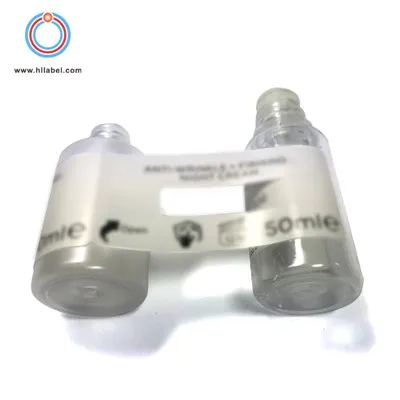
As a multi – layer labels supplier, I am committed to providing high – quality, customized multi – layer labels to meet your specific requirements. Our team of experts can work with you to design and produce labels that not only meet your functional needs but also enhance your brand image.
Foldable Label If you are considering multi – layer labels for your products or would like to discuss the differences between multi – layer labels and RFID labels in more detail, I encourage you to reach out for a purchasing discussion. We can provide you with samples, quotes, and technical support to help you make the best decision for your business.
References
- "Handbook of Pressure Sensitive Adhesive Technology" by Donald Satas
- "RFID Handbook: Fundamentals and Applications in Contactless Smart Cards and Identification" by Klaus Finkenzeller
Huizhou Huilong Printing Company Limited
As one of the most professional multi-layer labels manufacturers in China, we have world-leading production equipment and strong manufacturing capabilities. Please feel free to buy bulk multi-layer labels in stock here from our factory. Also, pricelist is available.
Address: Xin’er Group, Xiamazhuang, Huicheng District, Huizhou City, Guangdong Province
E-mail: huilong278@163.com
WebSite: https://www.huilonglable.com/
