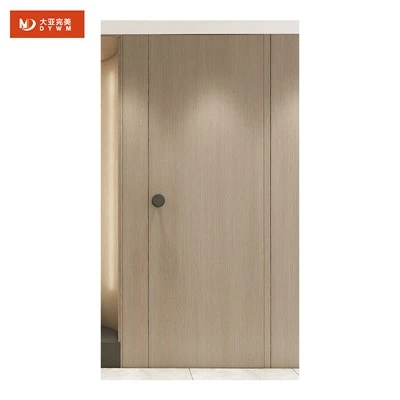
Maintaining the fire – resistance of a wooden fire door is crucial for ensuring the safety and functionality of any building. As a trusted wooden fire door supplier, I understand the significance of proper maintenance, and I am here to share some essential insights and tips on this matter. Wooden Fire Door
Understanding the Basics of Fire – Resistant Wooden Doors
Before delving into maintenance, it’s important to have a basic understanding of how wooden fire doors work. These doors are designed to resist the spread of fire and smoke for a specified period. They are usually constructed with special fire – retardant woods, and often, they contain insulation materials and intumescent seals. The intumescent seals, for example, expand when exposed to high temperatures, creating a barrier to prevent the passage of flames and smoke.
The fire – resistance rating of a wooden fire door is typically expressed in minutes, such as 20, 45, 60, or 90 minutes. This rating indicates how long the door can withstand fire under standard test conditions. Buildings with different occupancy types and fire safety requirements may need different fire – rated doors. For instance, in a commercial building with a large number of people, higher – rated fire doors may be necessary to provide sufficient evacuation time.
Regular Inspections
Regular inspections are the cornerstone of maintaining the fire – resistance of wooden fire doors. Inspections should be carried out at least once every six months, or more frequently in high – traffic or high – risk areas.
Visual Inspections
During a visual inspection, check for any signs of physical damage to the door. Look for cracks, chips, or dents in the wood. Even small cracks can compromise the door’s integrity under fire conditions, as they can allow the passage of flames and smoke. Inspect the joints of the door as well; loose or damaged joints can reduce the overall strength of the door.
Examine the intumescent seals. These seals should be intact and free from any signs of wear or damage. If the seals are cracked, peeled, or missing, they need to be replaced immediately. Also, check the door hardware, including hinges, latches, and closers. Loose or malfunctioning hardware can prevent the door from closing properly during a fire, rendering it ineffective.
Functional Inspections
In addition to visual inspections, functional inspections are essential. Test the door’s ability to close properly. A fire door should close automatically and smoothly, without any obstructions. To do this, open the door fully and allow it to close on its own. If it does not close completely or takes an unusually long time to close, there may be an issue with the closer mechanism or the alignment of the door.
Check the self – latching feature. A fire door should latch securely when closed. Try to open the door slightly after it has closed to ensure that it is properly latched. If the latch does not engage correctly, it can be a serious safety hazard.
Cleaning and Finishing
Proper cleaning and finishing can also contribute to the fire – resistance of wooden fire doors.
Cleaning
Clean the wooden fire door regularly to remove dirt, dust, and debris. Use a mild detergent and a soft cloth or sponge. Avoid using abrasive cleaners or scrubbers, as they can damage the finish of the door and potentially expose the wood to greater fire risk. Pay special attention to the tracks and hinges, as these areas can collect dirt and debris, which may interfere with the door’s operation.
Finishing
Maintaining the finish of the wooden fire door is important. The finish not only protects the wood from moisture and wear but can also enhance its fire – resistant properties. Over time, the finish may wear off, especially in high – traffic areas. If the finish is damaged or peeling, it should be reapplied. Use a fire – retardant finish recommended for fire doors. This type of finish is formulated to provide additional fire protection and can help maintain the door’s fire – resistance rating.
Maintenance of Door Hardware
The hardware of a wooden fire door plays a crucial role in its fire – resistance and functionality.
Hinges
Hinges are responsible for supporting the weight of the door and allowing it to open and close smoothly. Check the hinges regularly for signs of rust, wear, or damage. Lubricate the hinges annually with a silicone – based lubricant to prevent corrosion and ensure smooth operation. If a hinge is loose or damaged, it should be tightened or replaced immediately. A loose hinge can cause the door to misalign, which can affect its ability to close properly during a fire.
Latches and Closers
Latches are essential for keeping the door closed during a fire. Inspect the latches for proper functioning, and make sure they engage securely when the door is closed. If the latch is sticking or not engaging properly, it may need to be adjusted or replaced.
Door closers are responsible for ensuring that the door closes automatically after it has been opened. Check the closer regularly to make sure it is functioning correctly. Adjust the closing speed and force of the closer according to the manufacturer’s instructions. If the closer is not operating correctly, it can prevent the door from closing properly, which can compromise its fire – resistance.
Addressing Water Damage
Water damage can have a significant impact on the fire – resistance of wooden fire doors. Wood is a porous material, and when it absorbs water, it can swell, warp, or rot. This can lead to cracks and gaps in the door, which can allow the passage of fire and smoke.
Preventing Water Damage
To prevent water damage, ensure that the area around the door is properly sealed. Check for any leaks in the roof, walls, or windows near the door. If there are any signs of water leakage, repair them immediately. In areas prone to high humidity or moisture, consider using a dehumidifier to reduce the moisture level in the air.
Treating Water – Damaged Doors
If a wooden fire door has been exposed to water, it should be dried as soon as possible. Use fans or a dehumidifier to speed up the drying process. If the door has warped or swollen, it may need to be professionally repaired or replaced. In some cases, minor water damage can be treated by sanding and refinishing the affected area, but more severe damage may require more extensive repairs.
Training and Education
Proper training and education are essential for maintaining the fire – resistance of wooden fire doors. Building occupants, maintenance staff, and property managers should be trained on the importance of fire doors and how to maintain them.
Occupant Training
Educate building occupants on the proper use of fire doors. They should be informed that fire doors must be kept closed at all times, except when passing through them. Remind them not to prop open fire doors or hang objects on them, as this can interfere with their proper operation.
Maintenance Staff Training
Maintenance staff should receive comprehensive training on the inspection, cleaning, and repair of wooden fire doors. They should be familiar with the specific requirements and components of the fire doors in the building. Regular training sessions can help ensure that the maintenance staff is up – to – date on the latest maintenance techniques and best practices.
Conclusion
Maintaining the fire – resistance of a wooden fire door is a critical task that requires regular inspections, proper cleaning, maintenance of hardware, and addressing potential issues such as water damage. By following these guidelines, building owners and managers can ensure that their wooden fire doors continue to provide reliable fire protection.
Wooden Fire Door As a wooden fire door supplier, I am committed to providing high – quality products and sharing my expertise on fire door maintenance. If you are in the process of purchasing wooden fire doors or need advice on how to maintain your existing ones, I encourage you to get in touch. Our team of experts is available to assist you with your fire door needs, whether it’s selecting the right doors for your building or providing guidance on long – term maintenance. Contact us to start a discussion about your fire door requirements and take an important step towards enhancing the safety of your property.
References
- National Fire Protection Association (NFPA). NFPA 80: Standard for Fire Doors and Other Opening Protectives.
- American Wood Council. Wood Construction Manual.
- Underwriters Laboratories (UL). UL 10C: Standard for Fire Tests of Door Assemblies.
One May Dee Show Furniture Co., Ltd.
As one of the most professional wooden fire door manufacturers and suppliers in China, we’re featured by quality products and good price. Please rest assured to wholesale cheap wooden fire door made in China here and get quotation from our factory. Customized orders are welcome.
Address: Laomiao Village, Dacheng Town, Sanyuan County, Xianyang City, Shaanxi Province, China.
E-mail: trade@omdoor.com
WebSite: https://www.omdoor.com/
